Living in Chapel Hill, NC: Neighborhoods, Schools & Real Estate
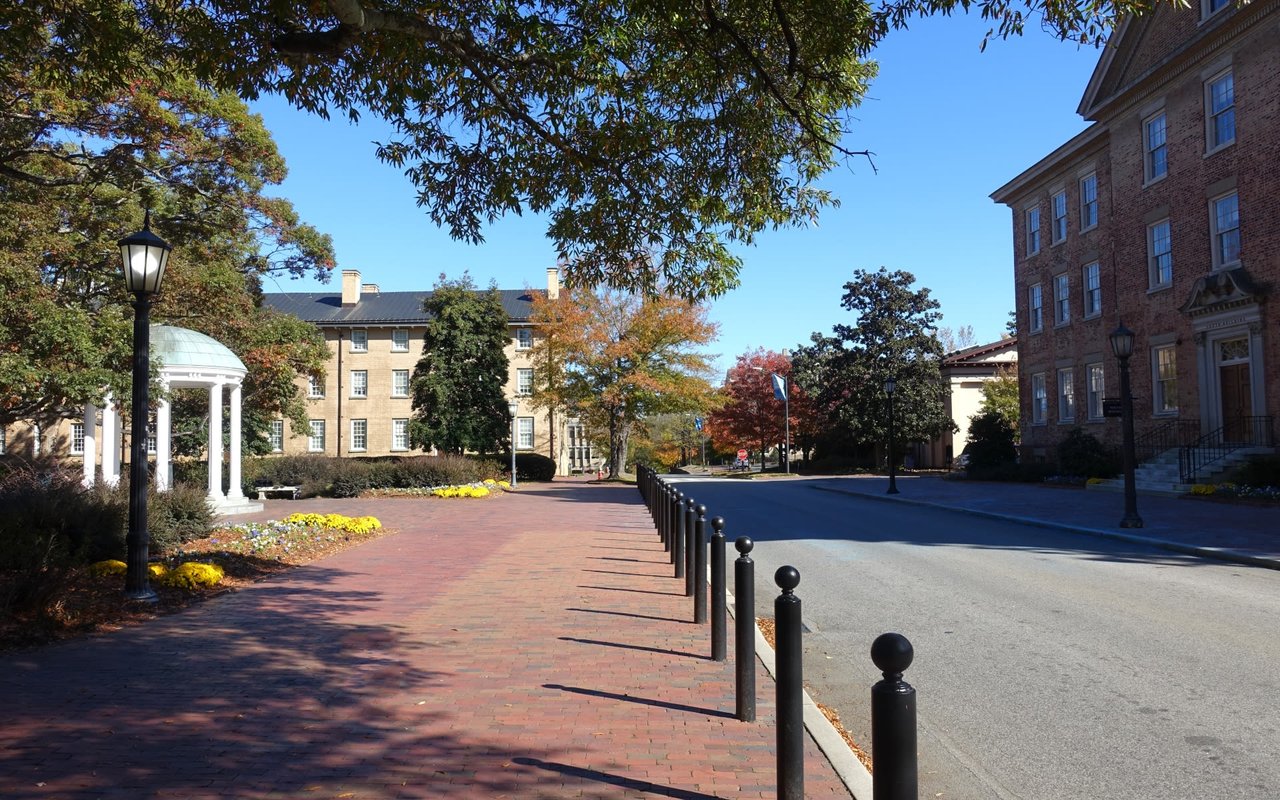
Chapel Hill, North Carolina is one of the Triangle’s most desirable communities, offering a rare combination of academic excellence, natural beauty, cultural sophistication, and timeless Southern charm. Home to the prestigious University of North Carolina at Chapel Hill, the town attracts families, professionals, retirees, academics, and relocating buyers seeking an exceptional quality of life.
Chapel Hill remains one of the Triangle’s most stable and desirable housing markets due to limited inventory, strong schools, university influence, and consistent demand.
Median Listing Price: Approximately $740,000
Active Listings: Approximately 455 homes
Median Days on Market: 38 days
Sale-to-List Price Ratio: Approximately 100%
Luxury and updated homes remain highly competitive
Demand remains strong near UNC and top-rated schools
Limited inventory supports long-term property values
Buyers may have more negotiation opportunities compared with previous years
Sellers benefit from strong demand but must price strategically
Chapel Hill stands apart for its combination of education, culture, community, and natural surroundings. It offers a more relaxed pace than larger cities while still providing access to exceptional career opportunities and amenities.
Residents enjoy:
A nationally recognized university town atmosphere
Highly rated schools and strong educational opportunities
Beautiful parks, trails, and preserved green spaces
A thriving restaurant and arts scene
Excellent healthcare through UNC Health
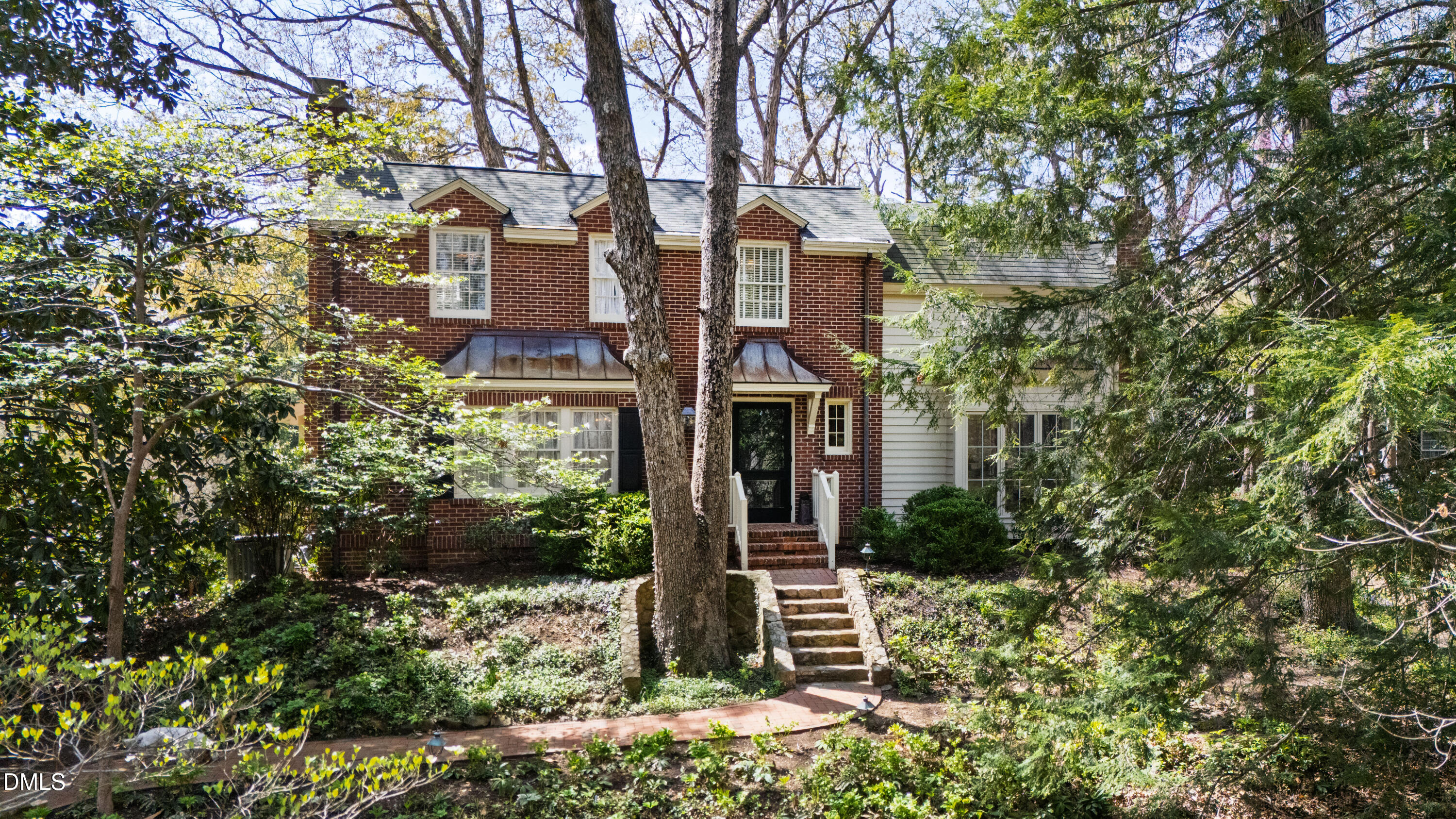
Historic neighborhoods with mature trees and character
Easy access to Durham, Raleigh, RTP, and RDU International Airport
Chapel Hill is a popular relocation destination for buyers moving from major metropolitan areas who want a quieter lifestyle without sacrificing access to employment, education, and culture.
Many relocating residents are drawn to Chapel Hill because of:
Chapel Hill offers a slower pace with walkable neighborhoods, beautiful landscapes, community events, and access to some of the best educational and healthcare resources in North Carolina.
The town benefits from its location within the Research Triangle, providing convenient access to:
University of North Carolina at Chapel Hill
Research Triangle Park
Duke University
Major healthcare systems
Technology, research, and healthcare employers
For buyers relocating from out of state, Chapel Hill offers a welcoming environment with long-term stability and strong community appeal.
Life in Chapel Hill combines outdoor recreation, cultural experiences, and a vibrant local scene.
Popular attractions include:
Franklin Street – a walkable destination filled with restaurants, boutiques, coffee shops, and entertainment
North Carolina Botanical Garden – beautiful trails and native plant collections
Coker Arboretum – peaceful walking paths located on the UNC campus
Southern Village – community events, shops, green spaces, and neighborhood gatherings
Bolin Creek Trail – popular for biking, walking, and outdoor recreation
Maple View Farm – a local favorite known for countryside views and ice cream
Dean Smith Center – home to UNC basketball traditions
Residents also enjoy concerts, festivals, art events, and university programs throughout the year.
Education and culture are central to Chapel Hill’s identity. As home to UNC Chapel Hill, one of the nation’s oldest public universities, the town has a unique atmosphere shaped by research, innovation, arts, and community engagement.
Local cultural highlights include:
PlayMakers Repertory Company – professional theater performances
Ackland Art Museum – internationally recognized art collections
Morehead Planetarium and Science Center – educational programs and exhibits
Live music venues featuring local and national artists
Public art installations and community festivals
For residents, learning and creativity are part of everyday life.
Chapel Hill is served by Chapel Hill-Carrboro City Schools (CHCCS), one of the highest-performing school districts in North Carolina.
Families are attracted to the area because of:
Highly rated elementary, middle, and high schools
Advanced academic programs
STEM-focused learning opportunities
Arts education programs
Magnet and dual-language options
Strong parent and community involvement
The area also provides convenient access to higher education institutions, including:
University of North Carolina at Chapel Hill
Duke University
North Carolina State University
For families relocating to Chapel Hill, school quality is often one of the biggest reasons they choose the community.
Chapel Hill offers a diverse range of neighborhoods, from historic homes near campus to luxury communities with resort-style amenities.
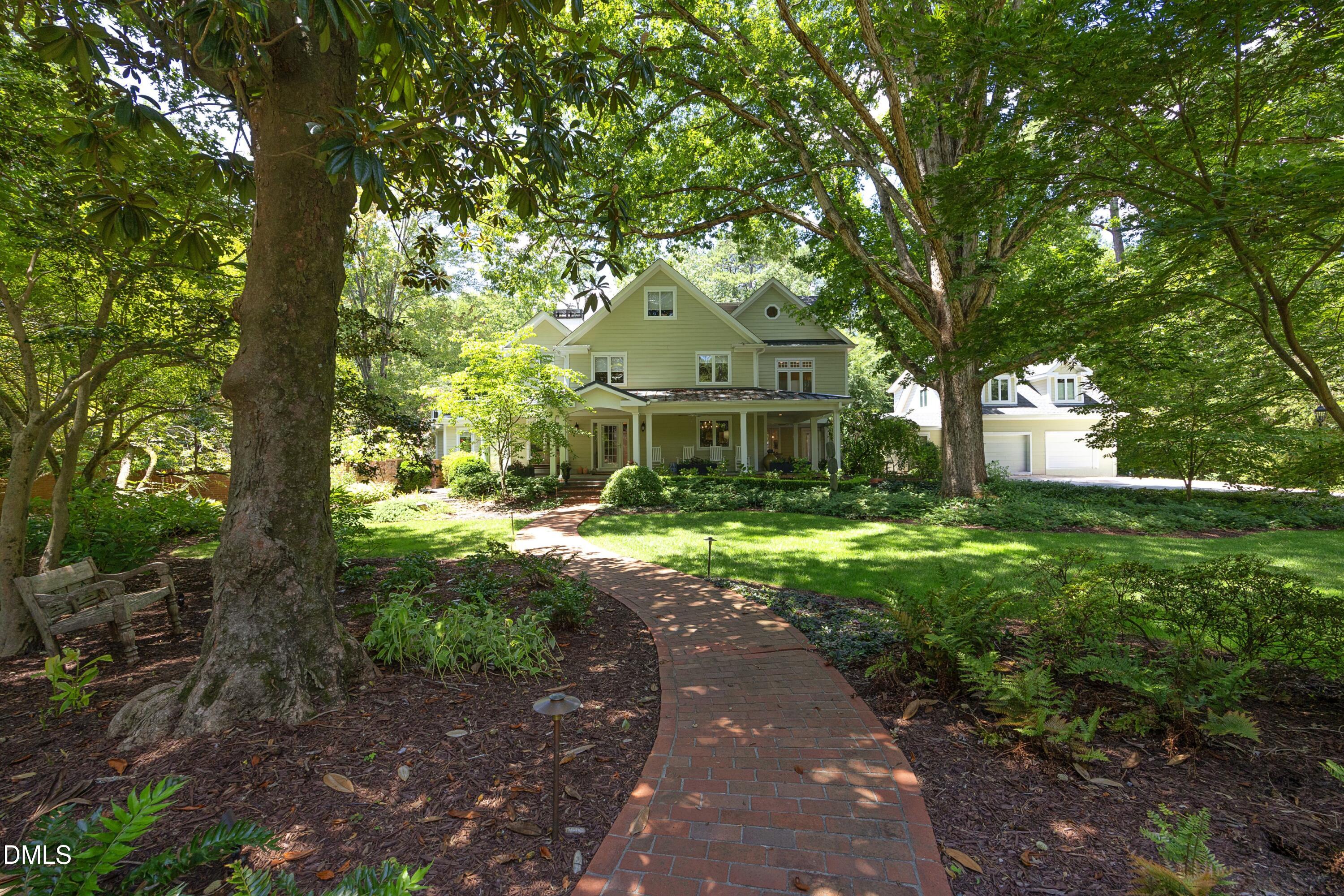
One of Chapel Hill’s premier luxury communities, Governors Club is known for elegant homes, privacy, and upscale amenities.
Features include:
Custom luxury estates
Championship golf course
Clubhouse amenities
Gated community setting
Beautiful wooded surroundings
Governors Club attracts buyers seeking luxury living with convenience to Chapel Hill and the Triangle.
Meadowmont is one of Chapel Hill’s most desirable planned communities, offering a blend of convenience, walkability, and modern homes.
Highlights include:
Parks and walking trails
Shopping and dining nearby
Townhomes and single-family homes
Community gathering spaces
Easy access to UNC and UNC Health
Southern Village offers a unique village-style lifestyle with walkable streets and community amenities.
Residents enjoy:
Neighborhood shops and restaurants
Green spaces and trails
Community events
Modern homes and townhomes
Family-friendly atmosphere
Coker Hills is known for mature trees, spacious lots, and established homes.
Features include:
Mid-century architecture
Quiet streets
Convenient location near UNC
Large wooded properties
Located near UNC, Gimghoul offers historic charm, unique architecture, and some of Chapel Hill’s most distinctive homes.
Chapel Hill’s real estate market requires a thoughtful strategy based on neighborhood, timing, and buyer demand.
Buyers benefit from guidance on available communities, pricing trends, and competitive offers. Sellers benefit from professional positioning, accurate pricing, and marketing strategies designed to highlight their home’s unique value.
The Sheri Hagerty Group helps clients navigate every step of buying or selling a Chapel Hill home with local expertise and personalized service.
Choosing the right Chapel Hill real estate professional is essential in a competitive and unique market.
The Sheri Hagerty Group provides:
In-depth knowledge of Chapel Hill neighborhoods and Triangle communities
Personalized relocation support for buyers moving to the area
Strategic marketing for sellers
Guidance on luxury properties and high-value homes
Skilled negotiation throughout every transaction
Buying or selling a home is about more than a property. It is about finding the right community, lifestyle, and long-term fit.
Yes. Chapel Hill is consistently ranked among the best places to live in North Carolina because of its schools, healthcare, culture, safety, and quality of life.
Popular neighborhoods include:
Governors Club for luxury living and privacy
Meadowmont for walkability and amenities
Southern Village for community-focused living
Coker Hills for established neighborhoods and wooded lots
Gimghoul Historic District for historic charm
Chapel Hill is one of the higher-priced markets in the Triangle due to strong demand, excellent schools, and limited inventory. However, buyers can find options ranging from condos and townhomes to luxury estates.
Yes. Families are drawn to Chapel Hill because of its outstanding schools, parks, community events, and access to educational opportunities.
Chapel Hill is an excellent relocation choice for professionals, families, retirees, and academics seeking a high-quality lifestyle with easy access to Raleigh, Durham, and RTP.
Working with The Sheri Hagerty Group helps relocating buyers understand neighborhoods, schools, commute options, and the local housing market before making a move.
96 people live in Chapel Hill, where the median age is 52 and the average individual income is $39,740. Data provided by the U.S. Census Bureau.
Total Population
Median Age
Population Density Population Density This is the number of people per square mile in a neighborhood.
Average individual Income
Chapel Hill has 37 households, with an average household size of 2. Data provided by the U.S. Census Bureau. Here’s what the people living in Chapel Hill do for work — and how long it takes them to get there. Data provided by the U.S. Census Bureau. 96 people call Chapel Hill home. The population density is 3,895.21 and the largest age group is Data provided by the U.S. Census Bureau.
Total Population
Population Density Population Density This is the number of people per square mile in a neighborhood.
Median Age
Men vs Women
Population by Age Group
0-9 Years
10-17 Years
18-24 Years
25-64 Years
65-74 Years
75+ Years
Education Level
Total Households
Average Household Size
Average individual Income
Households with Children
With Children:
Without Children:
Marital Status
Blue vs White Collar Workers
Blue Collar:
White Collar: