Living in Durham, NC: Neighborhoods, Schools & Real Estate
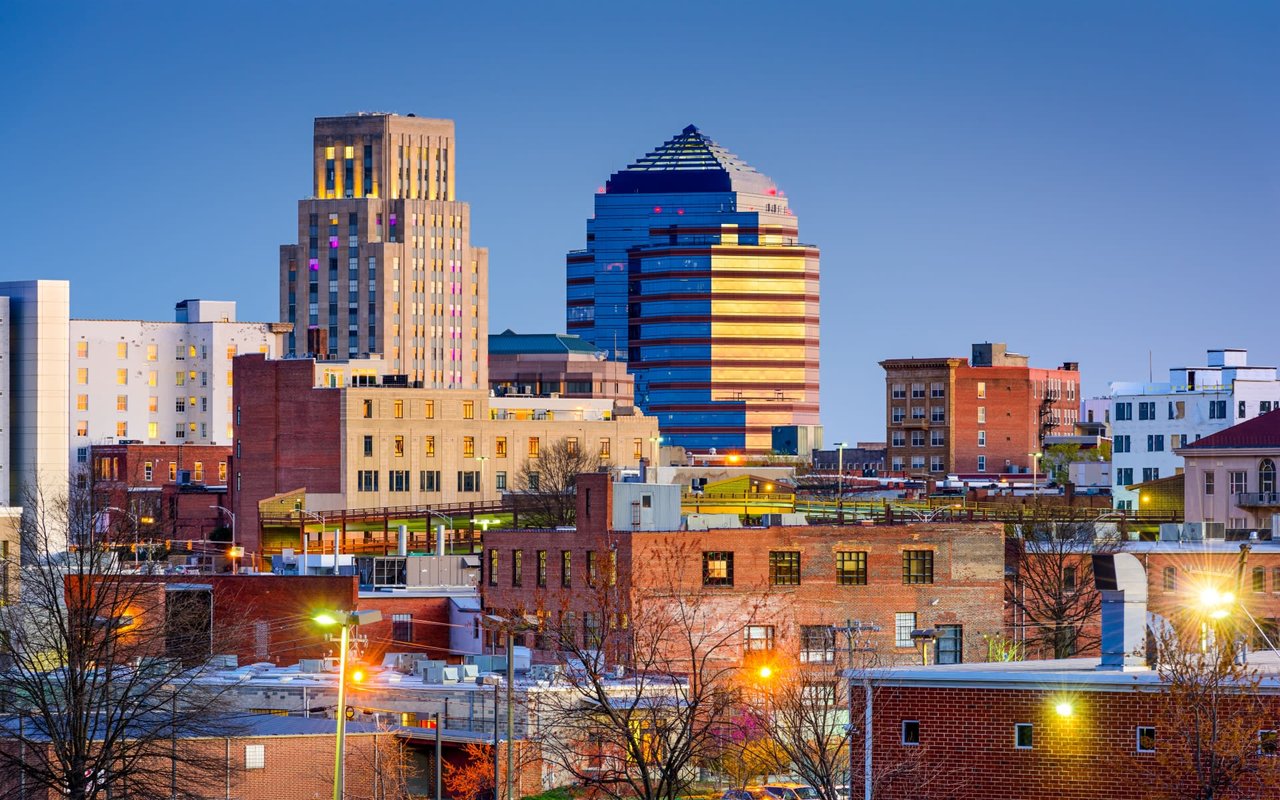
Durham, North Carolina is one of the Triangle’s most dynamic and culturally rich communities, offering a unique blend of innovation, history, education, and Southern character. Known as The Bull City, Durham has transformed from its tobacco and manufacturing roots into a thriving hub for technology, healthcare, research, and entrepreneurship.
Home to Duke University, world-class medical facilities, and close proximity to Research Triangle Park (RTP), Durham attracts professionals, families, retirees, students, and relocating buyers looking for a community with energy, opportunity, and a strong sense of identity.
Durham remains one of the Triangle’s most attractive real estate markets due to strong employment growth, university influence, and continued relocation demand.
Median Listing Price: Approximately $425,000
Active Rental Inventory: Approximately 4,700 listings
Median Days on Market: 41 days
Sale-to-List Price Ratio: Approximately 100%
Durham offers a rare combination of urban energy, historic charm, and modern innovation. The city appeals to those who want access to big opportunities while maintaining a strong community atmosphere.
Residents enjoy:
A thriving economy supported by healthcare, technology, research, and higher education
Proximity to Duke University, RTP, and major employers
A nationally recognized food and craft beverage scene
Historic neighborhoods with unique character
Outdoor recreation through parks, trails, and greenways
A vibrant arts, music, and cultural community
Convenient access to Raleigh, Chapel Hill, and the Triangle region
Durham’s ability to preserve its history while embracing growth makes it one of North Carolina’s most desirable places to live.
Durham has become a top relocation destination for buyers seeking a more affordable alternative to larger metropolitan areas while still enjoying access to world-class employment and amenities.
Many relocating residents choose Durham because of:
Durham provides access to some of the region’s strongest employment centers, including:
Duke University and Duke Health
Research Triangle Park
Technology companies
Biotechnology and life science organizations
Healthcare and research institutions
Whether you prefer a walkable downtown lifestyle, a historic neighborhood, or a quiet suburban community, Durham offers options for many different lifestyles.
Residents enjoy convenient access to:
Raleigh
Chapel Hill
Cary
RTP
Raleigh-Durham International Airport
For buyers moving from out of state, Durham provides a welcoming community with excellent long-term growth potential.
Durham offers endless opportunities for dining, entertainment, recreation, and cultural experiences.
Popular attractions include:
American Tobacco Campus – historic buildings transformed into restaurants, offices, and event spaces
Durham Performing Arts Center (DPAC) – one of the Southeast’s premier entertainment venues
Sarah P. Duke Gardens – 55 acres of beautifully designed gardens and walking paths
Eno River State Park – hiking, nature trails, and scenic river views
Museum of Life and Science – family-friendly exhibits and outdoor experiences
Durham Bulls Athletic Park – home of the beloved Durham Bulls baseball team
West Point on the Eno – trails, festivals, and outdoor activities
Residents also enjoy local festivals, farmers markets, live music, breweries, and one of the Triangle’s most celebrated culinary scenes.
Durham’s identity is deeply connected to creativity, entrepreneurship, and cultural innovation. The city’s historic roots continue to influence its modern-day character.
Cultural highlights include:
Durham Performing Arts Center featuring Broadway shows and major performances
Nasher Museum of Art at Duke University with diverse exhibitions
Carolina Theatre hosting concerts, films, and community events
Downtown murals and public art installations
Local music venues supporting jazz, blues, indie, and emerging artists
Durham’s history is equally significant. Once known as a tobacco and railroad center, the city became home to Black Wall Street, one of the most successful Black business districts in America. Today, historic buildings, renovated warehouses, and cultural landmarks reflect Durham’s entrepreneurial spirit and continued transformation.
Durham offers a variety of educational opportunities through public, charter, and private school options.
The area is primarily served by Durham Public Schools (DPS), which provides:
Magnet programs
STEM-focused learning opportunities
Advanced academic programs
Career and technical education pathways
Diverse educational choices
Families also benefit from access to several respected private and independent schools throughout the Triangle.
Higher education is a major advantage of living in Durham, with convenient access to:
Duke University
University of North Carolina at Chapel Hill
North Carolina State University
The area’s strong academic environment continues to attract families, professionals, and researchers.
Durham offers neighborhoods ranging from historic urban districts to luxury suburban communities.
Hope Valley is one of Durham’s most established and desirable neighborhoods, known for its mature trees, spacious homes, and golf course lifestyle.
Features include:
Larger lots
Classic architecture
Golf course properties
Quiet residential streets
Convenient access to South Durham
Located near Duke University, Trinity Park is one of Durham’s most charming historic neighborhoods.
Residents enjoy:
Historic homes and Craftsman architecture
Walkability
Tree-lined streets
Close proximity to downtown and Duke
Old West Durham offers a vibrant neighborhood atmosphere with local shops, restaurants, and historic character.
Highlights include:
Bungalow-style homes
Community events
Walkable amenities
Strong neighborhood identity
Downtown Durham appeals to buyers seeking an urban lifestyle with restaurants, entertainment, and cultural attractions nearby.
Housing options include:
Modern condos
Downtown lofts
Renovated historic properties
Luxury apartments
South Durham offers newer communities, shopping convenience, and easy access to major highways.
Popular with families and professionals, the area features:
Modern homes
Townhomes
Planned communities
Shopping and dining near Streets at Southpoint
The Durham real estate market requires a strategic approach based on neighborhood trends, pricing, and buyer demand.
Buyers benefit from expert guidance when comparing communities, evaluating properties, and negotiating competitive offers. Sellers benefit from accurate pricing, targeted marketing, and strategies designed to highlight their home’s value.
The Sheri Hagerty Group helps clients navigate Durham real estate with local insight, personalized service, and proven strategies.
Choosing the right Durham real estate professional is essential when navigating a competitive and evolving market.
The Sheri Hagerty Group provides:
Deep knowledge of Durham neighborhoods and Triangle communities
Personalized relocation assistance
Strategic home marketing for sellers
Guidance for buyers searching near Duke, RTP, and surrounding areas
Skilled negotiation throughout every transaction
Finding the right home is about more than location. It is about finding the community, lifestyle, and opportunities that fit your goals.
Yes. Durham is one of the most desirable cities in the Triangle because of its strong economy, cultural attractions, excellent universities, outdoor recreation, and diverse neighborhoods.
Popular Durham neighborhoods include:
Hope Valley for luxury homes and spacious lots
Trinity Park for historic charm near Duke
Old West Durham for walkability and community atmosphere
Downtown Durham for urban living and entertainment
South Durham for newer homes and convenience
Durham can offer more affordable housing options compared with some Raleigh neighborhoods, although prices vary significantly depending on location, amenities, and proximity to Duke or RTP.
Yes. Families are attracted to Durham because of its schools, parks, recreational opportunities, and variety of neighborhood options.
Durham is an excellent relocation choice for professionals, families, and retirees who want access to top employers, universities, healthcare, and a vibrant community.
Working with The Sheri Hagerty Group helps relocating buyers understand neighborhoods, schools, commuting options, and the local housing market before making a move.
288,465 people live in Durham, where the median age is 34.8 and the average individual income is $47,246. Data provided by the U.S. Census Bureau.
Total Population
Median Age
Population Density Population Density This is the number of people per square mile in a neighborhood.
Average individual Income
Durham has 123,318 households, with an average household size of 2.25. Data provided by the U.S. Census Bureau. Here’s what the people living in Durham do for work — and how long it takes them to get there. Data provided by the U.S. Census Bureau. 288,465 people call Durham home. The population density is 2,470.71 and the largest age group is Data provided by the U.S. Census Bureau.
Total Population
Population Density Population Density This is the number of people per square mile in a neighborhood.
Median Age
Men vs Women
Population by Age Group
0-9 Years
10-17 Years
18-24 Years
25-64 Years
65-74 Years
75+ Years
Education Level
Total Households
Average Household Size
Average individual Income
Households with Children
With Children:
Without Children:
Marital Status
Blue vs White Collar Workers
Blue Collar:
White Collar: