Living in Raleigh, NC: Neighborhood Guide, Schools & Real Estate
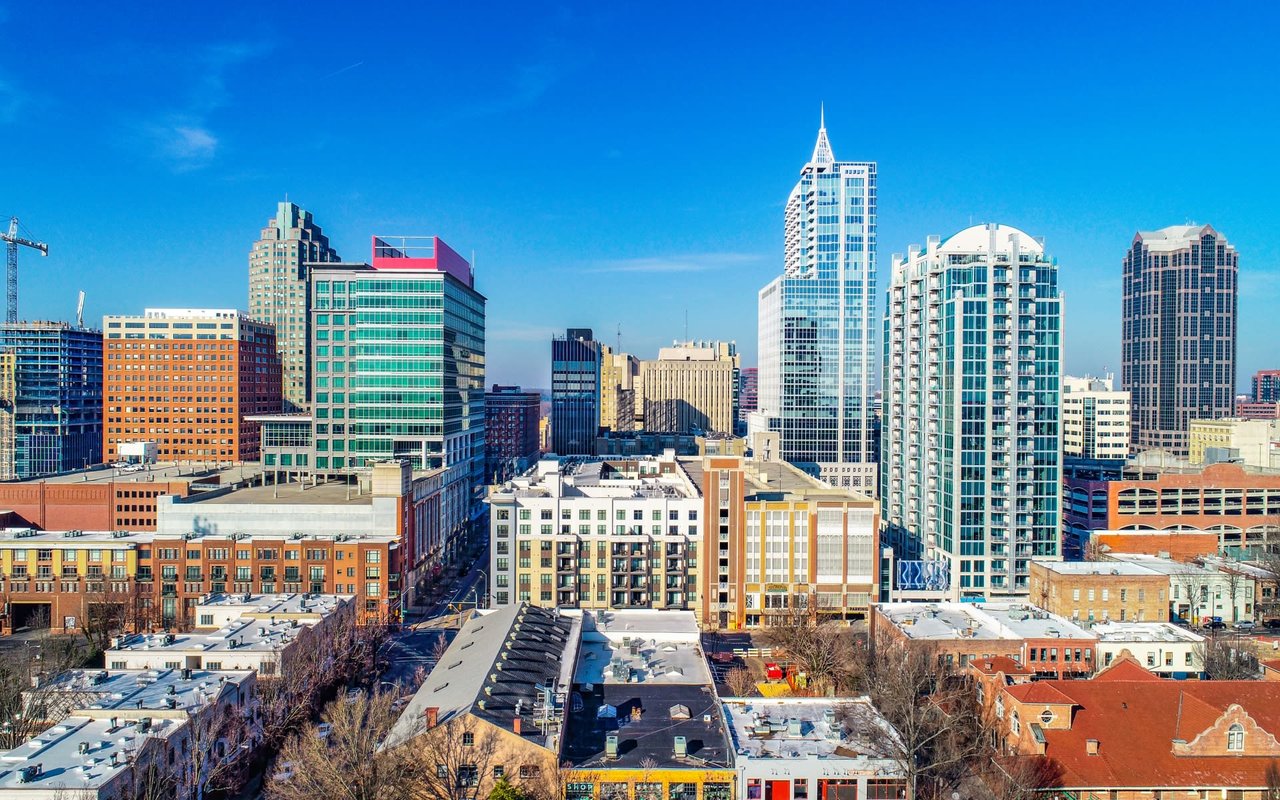
Raleigh, North Carolina is one of the Southeast’s most sought-after places to call home, offering a rare combination of economic opportunity, exceptional quality of life, vibrant neighborhoods, and timeless Southern character. As the capital city of North Carolina and a key part of the Research Triangle region, Raleigh attracts families, professionals, retirees, entrepreneurs, and relocating buyers from across the country.
The Sheri Hagerty Group helps buyers and sellers navigate Raleigh’s diverse real estate landscape with local market knowledge, neighborhood expertise, and a personalized approach designed around each client’s goals.
Raleigh remains one of North Carolina’s most competitive and desirable housing markets due to continued population growth, job opportunities, and relocation demand.
Median Listing Price: Approximately $470,000
Active Listings: Approximately 3,300 homes
Median Days on Market: 46 days
Sale-to-List Price Ratio: Approximately 99%
Raleigh offers an ideal balance between big-city amenities and a welcoming community atmosphere. Residents enjoy a thriving job market, beautiful outdoor spaces, nationally recognized universities, and neighborhoods that each offer their own unique personality.
Strong economy and career opportunities driven by technology, healthcare, education, and Research Triangle Park
Exceptional access to outdoor recreation with hundreds of miles of greenways, parks, lakes, and trails
Highly regarded schools through Wake County Public School System and numerous private education options
A thriving food, arts, and entertainment scene featuring restaurants, breweries, museums, and festivals
A central location with easy access to Durham, Chapel Hill, Charlotte, beaches, and the Blue Ridge Mountains
A wide variety of neighborhoods ranging from historic districts to new master-planned communities
Raleigh continues to attract residents who want more space, affordability, and lifestyle flexibility without sacrificing access to culture, employment, and entertainment.
Raleigh is made up of distinctive communities, each offering its own lifestyle, housing options, and amenities. Understanding the differences between neighborhoods is essential when choosing the right place to call home.
Known as one of Raleigh’s premier lifestyle destinations, North Hills blends upscale residential living with shopping, dining, entertainment, and convenient access to downtown.
Residents enjoy:
Luxury condominiums, townhomes, and single-family homes
Walkable streets and modern amenities
Restaurants, boutiques, and entertainment venues
Community events throughout the year
Easy access to Midtown Raleigh and major employment centers
North Hills is especially popular among professionals, executives, and buyers seeking a more urban lifestyle with suburban convenience.
Five Points is one of Raleigh’s most beloved historic neighborhoods, known for its charming homes, tree-lined streets, and strong sense of community.
Highlights include:
Historic Craftsman and bungalow-style homes
Local coffee shops, restaurants, and breweries
Walkability and neighborhood events
Close proximity to downtown Raleigh
A mix of young professionals, families, and long-term residents
Five Points appeals to buyers looking for character, community, and a central Raleigh location.
Located between Raleigh and Durham, Brier Creek offers exceptional convenience for professionals working in Research Triangle Park, Raleigh-Durham International Airport, and surrounding employment hubs.
Brier Creek features:
Newer construction homes and established neighborhoods
Townhomes, single-family homes, and planned communities
Golf, shopping, and dining options
Easy highway access
Strong appeal for relocating professionals and families
Its location makes Brier Creek one of Raleigh’s most popular choices for commuters and out-of-state buyers.
Downtown Raleigh offers a dynamic urban lifestyle surrounded by history, culture, restaurants, and entertainment.
Downtown residents enjoy:
Historic homes and modern condos
Walkable access to restaurants and nightlife
Museums, theaters, and cultural attractions
Events at venues such as Red Hat Amphitheater
Proximity to government offices and major employers
For buyers who want an energetic lifestyle with everything close by, downtown Raleigh offers an exciting place to live.
Life in Raleigh combines outdoor adventure, cultural experiences, and community traditions.
Popular attractions and activities include:
North Carolina Museum of Art with galleries, outdoor exhibits, and walking trails
Pullen Park, one of the oldest amusement parks in the country
Dorothea Dix Park, offering open green space and downtown skyline views
Neuse River Greenway Trail for walking, biking, and recreation
Historic Oakwood featuring beautifully preserved architecture
Falls Lake and Jordan Lake for boating, fishing, and outdoor activities
Local farmers markets, festivals, breweries, and live music events
Families relocating to Raleigh are often drawn to the area because of its strong educational opportunities. The city is primarily served by the Wake County Public School System (WCPSS), one of the largest school districts in North Carolina.
WCPSS serves communities throughout Raleigh and surrounding areas, offering:
Traditional public schools
Magnet programs
STEM-focused academies
Advanced academic opportunities
Career and technical education programs
Year-round school options
Many Raleigh families also consider private and charter schools, including:
Independent college-preparatory schools
Faith-based education options
Specialized academic programs
Higher education is another major advantage of the region, with access to:
North Carolina State University in Raleigh
Duke University in Durham
University of North Carolina at Chapel Hill
The Triangle’s strong education system continues to attract families seeking long-term opportunities.
Raleigh’s competitive real estate market requires local expertise and a strategic approach. Buyers benefit from guidance on neighborhoods, pricing trends, and competitive offers, while sellers can maximize value through smart pricing, strong marketing, and proper preparation.
The Sheri Hagerty Group helps clients navigate every step of the process with local market knowledge, personalized strategies, and expert guidance for buying or selling a home in Raleigh.
Choosing the right Raleigh real estate professional can make a significant difference when buying or selling a home. The Sheri Hagerty Group provides clients with knowledgeable guidance, personalized service, and a deep understanding of the Raleigh market.
Sheri Hagerty is proud to be a Host and Production Manager for the EMMY-nominated television series The American Dream TV, in addition to her work as a full-time Raleigh real estate professional. The show celebrates the people, culture, lifestyle, and communities that make Raleigh and the Triangle such incredible places to live.
Through her segments, Sheri highlights local businesses, community leaders, and inspiring stories while showcasing the unique lifestyle and real estate opportunities throughout the region.
Explore Sheri’s latest American Dream TV segment and discover the people, places, and properties that make Raleigh one of North Carolina’s most desirable communities.
Yes. Raleigh is consistently ranked among the best places to live in the United States because of its strong economy, excellent education options, outdoor recreation, and high quality of life. The city offers opportunities for professionals, families, retirees, and investors.
The best Raleigh neighborhood depends on your lifestyle and priorities. Popular communities include:
North Hills for upscale amenities and convenience
Five Points for historic charm and walkability
Brier Creek for commuters and newer homes
Downtown Raleigh for urban living and entertainment
Oakwood and Boylan Heights for historic character
A local Raleigh real estate expert can help match your goals with the right neighborhood.
Raleigh’s cost of living remains competitive compared with many major metropolitan areas, especially when considering housing, employment opportunities, and lifestyle benefits. While home prices have increased due to strong demand, many buyers find Raleigh offers excellent value compared with larger cities on the East Coast and West Coast.
Yes. Raleigh is one of the most popular relocation destinations in the country, attracting residents from states such as New York, New Jersey, California, Florida, and Virginia.
People relocating to Raleigh are drawn by:
Strong job opportunities
Lower taxes compared with some states
More affordable housing options
Excellent schools
A welcoming community atmosphere
Access to both urban amenities and outdoor recreation
Working with a Raleigh relocation specialist like The Sheri Hagerty Group can make the transition smoother by providing local insight before you make your move.
470,763 people live in Raleigh, where the median age is 34.7 and the average individual income is $49,948. Data provided by the U.S. Census Bureau.
Total Population
Median Age
Population Density Population Density This is the number of people per square mile in a neighborhood.
Average individual Income
Raleigh has 196,924 households, with an average household size of 2.3. Data provided by the U.S. Census Bureau. Here’s what the people living in Raleigh do for work — and how long it takes them to get there. Data provided by the U.S. Census Bureau. 470,763 people call Raleigh home. The population density is 3,200.1 and the largest age group is Data provided by the U.S. Census Bureau.
Total Population
Population Density Population Density This is the number of people per square mile in a neighborhood.
Median Age
Men vs Women
Population by Age Group
0-9 Years
10-17 Years
18-24 Years
25-64 Years
65-74 Years
75+ Years
Education Level
Total Households
Average Household Size
Average individual Income
Households with Children
With Children:
Without Children:
Marital Status
Blue vs White Collar Workers
Blue Collar:
White Collar: