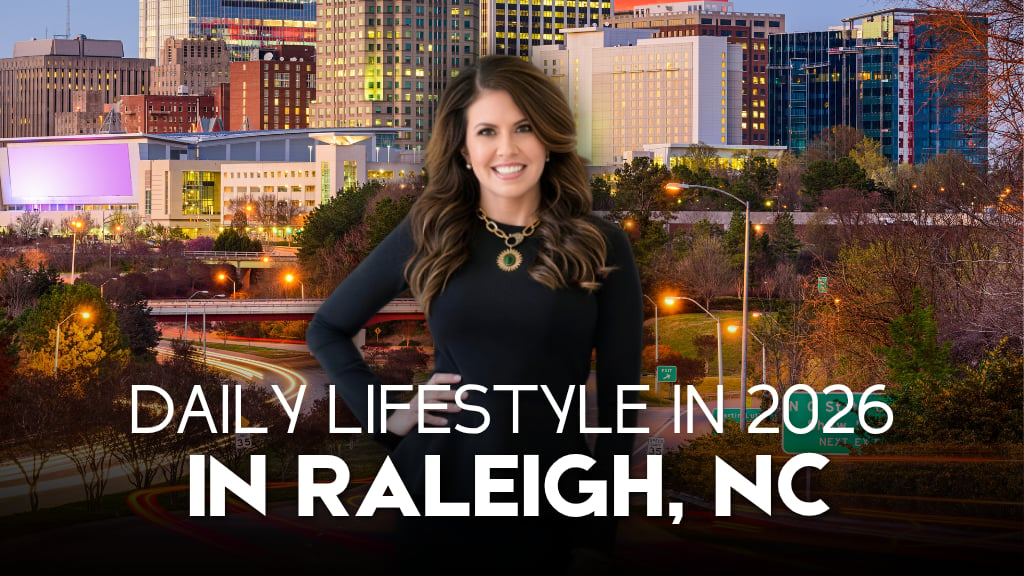
What is daily life really like in Raleigh, NC in 2026?
The Raleigh, NC lifestyle in 2026 offers a combination of strong job growth, walkable districts, outdoor recreation, local dining, and expanding housing opportunities that continue attracting buyers from across the country. Whether you are relocating, retiring, investing, or buying your first home, understanding what day-to-day life feels like in Raleigh can help you decide whether the area aligns with your long-term goals.
Living in Raleigh, NC: What You Should Know Before Moving
The Raleigh lifestyle attracts buyers for many different reasons. Some people move for career opportunities and affordability compared to larger metro areas. Others choose Raleigh because of its schools, parks, restaurant scene, growing economy, or balance between urban amenities and suburban living.
In 2026, many buyers continue prioritizing flexibility, quality of life, and long-term value when deciding where to live. Raleigh remains one of the fastest-growing markets in North Carolina because of continued population growth, expanding business development, and strong demand throughout Wake County.
The Raleigh Regional Association of REALTORS® (RRAR) continues reporting strong market activity throughout Wake County as buyers relocate for employment opportunities, universities, healthcare access, and overall lifestyle improvements.
The Sheri Hagerty Group has helped buyers relocate to Raleigh from across the country by guiding them through neighborhood comparisons, commute considerations, market conditions, and long-term investment decisions.
The team has earned Raleigh’s Best Realtor 2025 and Best Realtor 2025 – Wake Living Readers’ Choice Award. With 260 successful home sales and more than 20 five-star Google reviews, The Sheri Hagerty Group continues helping buyers navigate Raleigh’s evolving real estate market with confidence and local expertise.
What Daily Life Feels Like in Raleigh, NC
Every city and neighborhood has its own pace.
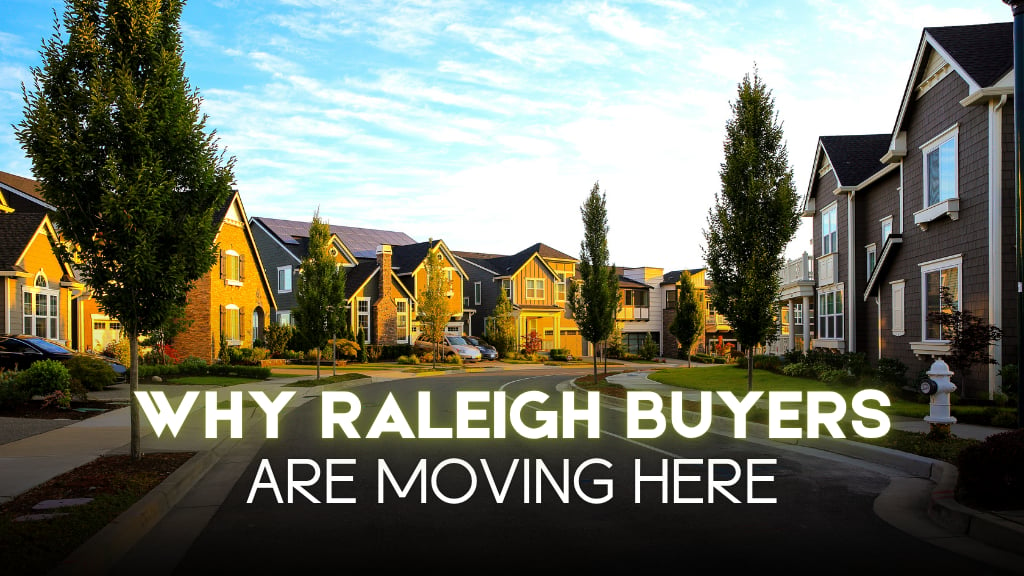
Some parts of Raleigh feel highly active and walkable, while others provide quieter residential communities with larger homes, more green space, and a slower pace of life.
What Residents Typically Enjoy About Raleigh
Depending on the neighborhood, residents in Raleigh often enjoy:
-
Access to restaurants and local businesses
-
Greenways, parks, and outdoor recreation
-
Walkable entertainment districts
-
Community events and festivals
-
Shopping and nightlife options
-
Diverse housing styles
-
Family-friendly neighborhoods
-
Year-round activities and mild weather
Many buyers relocating to Raleigh say they appreciate the balance between career opportunities, lifestyle amenities, and long-term housing value.
The Pace of Life in Raleigh
The daily rhythm of Raleigh depends heavily on where you live.
For example:
-
Downtown Raleigh offers nightlife, restaurants, entertainment, and walkability.
-
North Hills combines shopping, dining, office space, and luxury living.
-
Cary and Apex often attract buyers seeking highly rated schools and suburban communities.
-
Wake Forest and Holly Springs provide growing neighborhoods with more space and newer construction.
The Sheri Hagerty Group helps buyers compare neighborhoods based on commute times, lifestyle preferences, schools, and future resale potential.
Housing and Cost of Living in Raleigh, NC
One of the biggest factors shaping the Raleigh lifestyle is affordability relative to other major metropolitan markets.
Housing prices, taxes, transportation, insurance, and utilities all influence the overall cost of living.
Typical Housing Costs in 2026
|
Housing Factor |
Raleigh 2026 Market Trend |
|
Approximately $457,000 |
|
|
Inventory Levels |
Improving gradually across Wake County |
|
Market Competition |
Strong in desirable neighborhoods |
|
Mortgage Rates |
Generally higher than pre-2022 levels |
|
Average Days on Market |
Varies by neighborhood and price point |
Although affordability challenges still exist because of elevated mortgage rates, Raleigh continues to attract buyers relocating from higher-cost housing markets.
What Buyers Should Budget For
When moving to Raleigh, buyers should consider:
-
Property taxes
-
Insurance costs
-
HOA fees
-
Commute expenses
-
Utility bills
-
Home maintenance costs
-
Potential future development nearby
The Sheri Hagerty Group helps buyers understand the full cost of ownership before making a purchase decision.
Best Neighborhoods for Different Lifestyles in Raleigh, NC
The best neighborhood depends on how you want to live.
Some buyers prioritize nightlife and walkability. Others focus on schools, larger homesites, luxury communities, or easy commuting access.
Buyers Looking for Walkability Often Prefer
-
Downtown Raleigh
-
North Hills
-
Five Points
These areas often appeal to professionals and buyers who want restaurants, shopping, and entertainment nearby.
Buyers Looking for Family-Friendly Communities Often Explore
-
Cary
-
Apex
-
Holly Springs
These communities remain popular because of schools, parks, neighborhood amenities, and suburban living options.
Buyers Looking for Luxury Living Often Consider
-
North Hills
-
Inside-the-Beltline neighborhoods
-
Wake Forest luxury communities
These areas may offer custom homes, larger lots, newer construction, and convenient access to shopping and dining.
What Buyers Should Compare
Before choosing a neighborhood, consider:
-
Commute times
-
School ratings
-
Property taxes
-
HOA restrictions
-
Future development plans
-
Nearby restaurants and shopping
-
Access to parks and recreation
-
Long-term resale potential
The Sheri Hagerty Group regularly helps buyers compare Raleigh-area neighborhoods based on both lifestyle preferences and long-term investment goals.
Dining, Entertainment, and Outdoor Activities in Raleigh, NC
Lifestyle often comes down to what you can do outside of work.
Local Dining and Nightlife
Raleigh continues to develop a strong reputation for local restaurants, breweries, coffee shops, and entertainment districts.
Depending on the area, Raleigh may offer:
-
Local restaurants and breweries
-
Rooftop dining and bars
-
Coffee shops and cafes
-
Live music venues
-
Entertainment districts
-
Farmers markets and community events
Downtown Raleigh and North Hills remain especially popular for dining, nightlife, and social activity.
Many buyers relocating to Raleigh want communities where restaurants, shopping, and entertainment are easily accessible.
Outdoor Recreation
Outdoor living remains one of the biggest reasons buyers relocate to Raleigh and the Triangle region.
Popular outdoor activities include:
-
Greenway trails
-
Parks and playgrounds
-
Golf courses
-
Running and biking paths
-
Community sports leagues
-
Nearby lakes and recreational areas
Raleigh’s extensive greenway system and access to outdoor recreation continue attracting active buyers and families.
The Sheri Hagerty Group often works with buyers specifically searching for homes near parks, trails, and recreational amenities.
Schools, Healthcare, and Community Amenities
For many buyers, daily convenience matters just as much as home prices.
Schools and Education
Families moving to Raleigh often research:
-
Wake County public schools
-
Charter schools
-
Private school options
-
Nearby universities and colleges
Raleigh’s proximity to major universities, including NC State University and nearby Duke University and UNC-Chapel Hill, continues to support long-term economic growth and housing demand.
School districts can also influence property values and resale potential.
Healthcare Access
Access to healthcare services remains another important factor buyers consider.
Many residents prioritize proximity to:
-
Hospitals
-
Urgent care centers
-
Medical specialists
-
Wellness facilities
Raleigh’s healthcare network continues expanding alongside population growth throughout Wake County.
Community Features Buyers Value
Residents in Raleigh may also prioritize:
-
Community events
-
Dog parks
-
Libraries
-
Fitness centers
-
Family-friendly attractions
-
Shopping centers
-
Recreation programs
These quality-of-life features often shape the overall experience of living in Raleigh.
Challenges Some Residents Face in Raleigh, NC
No market is perfect.
Before relocating, buyers should understand both the advantages and challenges of living in Raleigh.
Common Concerns Buyers Mention
Depending on the area, buyers may need to consider:
-
Traffic congestion during peak hours
-
Rising housing costs
-
Competitive inventory in popular neighborhoods
-
Insurance and maintenance expenses
-
Rapid development in some communities
Understanding these factors early can help buyers make more informed decisions.
That is why The Sheri Hagerty Group focuses on practical guidance and realistic expectations rather than simply recommending properties.
Is the Raleigh, NC Lifestyle Right for You?
The Raleigh lifestyle appeals to buyers looking for a balance between career opportunities, affordability, outdoor recreation, and long-term housing value.
For some people, the area offers the right mix of work-life balance and community amenities. Others are drawn to Raleigh because of its neighborhoods, schools, housing market, restaurants, or proximity to the broader Triangle region.
The best way to decide whether Raleigh fits your goals is to explore neighborhoods in person, compare daily living costs, and understand how the local market aligns with your long-term plans.
The Sheri Hagerty Group helps buyers navigate every part of that process, from neighborhood comparisons to market insights and home search guidance.
Thinking about relocating or buying a home in Raleigh, NC? Contact The Sheri Hagerty Group today for personalized recommendations and trusted local expertise.
Frequently Asked Questions About the Raleigh, NC Lifestyle
Is Raleigh, NC a good place to live in 2026?
Many buyers consider Raleigh attractive because of its strong job market, outdoor recreation, housing opportunities, and quality-of-life amenities. The right fit depends on your goals and budget.
What is the cost of living like in Raleigh?
The cost of living depends on housing prices, transportation, insurance, utilities, and lifestyle expenses. Buyers should compare total ownership costs before relocating.
What types of neighborhoods are available in Raleigh?
Raleigh offers urban, suburban, luxury, walkable, and family-oriented communities throughout Wake County and surrounding areas.
Are home prices still increasing in 2026?
Raleigh home values continue showing long-term strength, although inventory conditions and mortgage rates have created a more balanced market compared to previous years.
Is Raleigh good for families?
Many buyers choose Raleigh because of schools, parks, recreation, community amenities, and family-friendly neighborhoods.
Why work with a local real estate agent in Raleigh?
A local expert like The Sheri Hagerty Group can help you compare neighborhoods, understand market trends, evaluate affordability, and avoid common relocation mistakes.