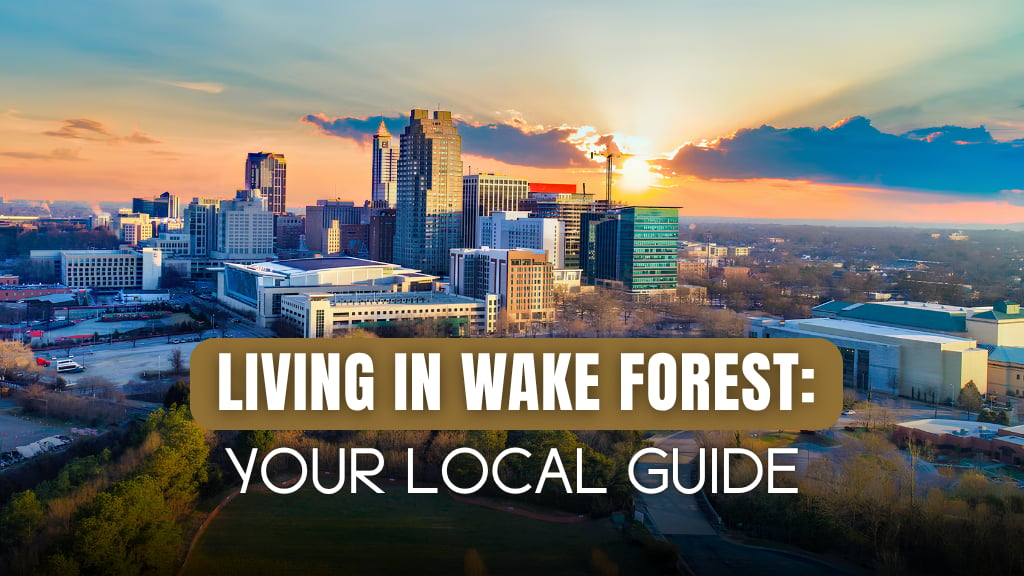
Wake Forest has reached an interesting point in its story. It is no longer the quiet little town many longtime Triangle residents remember, yet it has not lost the historic downtown, familiar gathering places, and community traditions that give it a personality of its own. That combination is exactly why so many people considering a move north of Raleigh take a closer look—and why choosing the right part of Wake Forest requires more thought than simply searching the town name online.
Living in Wake Forest, NC, can mean walking to a downtown coffee shop, settling into an established tree-lined neighborhood, buying in a newer amenity community, or finding more land beyond the busiest commercial corridors. Here is what everyday life and homeownership really look like before you decide where your next chapter should begin.
How Wake Forest Grew Without Completely Losing Its Roots
Wake Forest began developing in the 1830s around an educational institute that later became Wake Forest College. Although the university relocated to Winston-Salem in the 1950s, the town kept growing around its historic campus and downtown. Expansion accelerated in the 1990s, bringing more homes, businesses, and suburban development while increasing attention to preservation and long-range planning.
That history still shapes the way Wake Forest feels today. The center of town offers older architecture and traditional streets, while surrounding areas include mature subdivisions, planned communities, and ongoing new construction. It feels less like one uniform suburb and more like several different lifestyles sharing the same town.
Downtown Wake Forest Is Small, but It Still Has a Pulse
Downtown Wake Forest gives the community a recognizable center with locally owned shops, restaurants, professional services, arts programming, and gathering spaces. Historic buildings also help preserve a visible connection to the town’s earlier years.
Living nearby may appeal to buyers who enjoy local businesses and community activity, but proximity to downtown does not mean every errand is walkable. Grocery stores, medical offices, larger shopping centers, and newer neighborhoods are spread across a wider area, so most residents still rely on a car.
Shopping and Dining Stretch Well Beyond Main Street
The broader Wake Forest lifestyle includes supermarkets, national retailers, casual dining, fitness centers, and everyday services along larger commercial corridors. Your preferred location may depend on whether you want quick access to those conveniences or are willing to drive farther for a quieter street, larger lot, or different style of home. Before buying, test the trips you expect to make regularly rather than relying only on a map.
Community Events Make the Town Feel More Connected
Wake Forest maintains an active calendar of public art programs, seasonal celebrations, concerts, outdoor events, and civic activities. These gatherings help downtown feel like a shared community space rather than simply a collection of businesses.
The Outdoors Is Part of the Weekly Routine Here
Wake Forest manages 561 acres of parks, open space, natural land, and trails, including more than 50 miles of developed and undeveloped greenway trails. The system includes playgrounds, athletic fields, picnic areas, community facilities, a dog park, and routes for walking and cycling.
For many residents, these spaces become part of everyday life, from a morning walk to a weekend at Joyner Park. The town currently reports 15.5 miles within its constructed greenway system, while its broader parks inventory includes additional developed and undeveloped trail mileage.
As top-performing real estate experts serving Wake Forest and the Triangle, we have seen buyers become more confident after exploring the parks and routes near a home, not just the home itself. Similar floor plans can support very different lifestyles depending on what sits beyond the neighborhood.
Wake Forest Gives You Access to Raleigh, With a Tradeoff
Wake Forest sits north of Raleigh, making it a practical option for people whose work and activities are concentrated in northern Wake County or along accessible routes into the capital. It may also work well for remote and hybrid professionals. Still, buyers should avoid relying on one advertised commute time. Traffic varies by neighborhood, destination, hour, construction, and regional growth.
Wake Forest maintains transportation plans covering future roads, transit, pedestrian routes, and bicycle connections, while active infrastructure projects continue across town. Raleigh-Durham International Airport is also accessible by road. Frequent travelers should check the route from the specific community they are considering during realistic travel hours.
Your Wake Forest Address Can Come With Very Different Homes
Wake Forest offers a broad mix of housing, which makes neighborhood-level research especially important.
Historic Homes and Established Streets
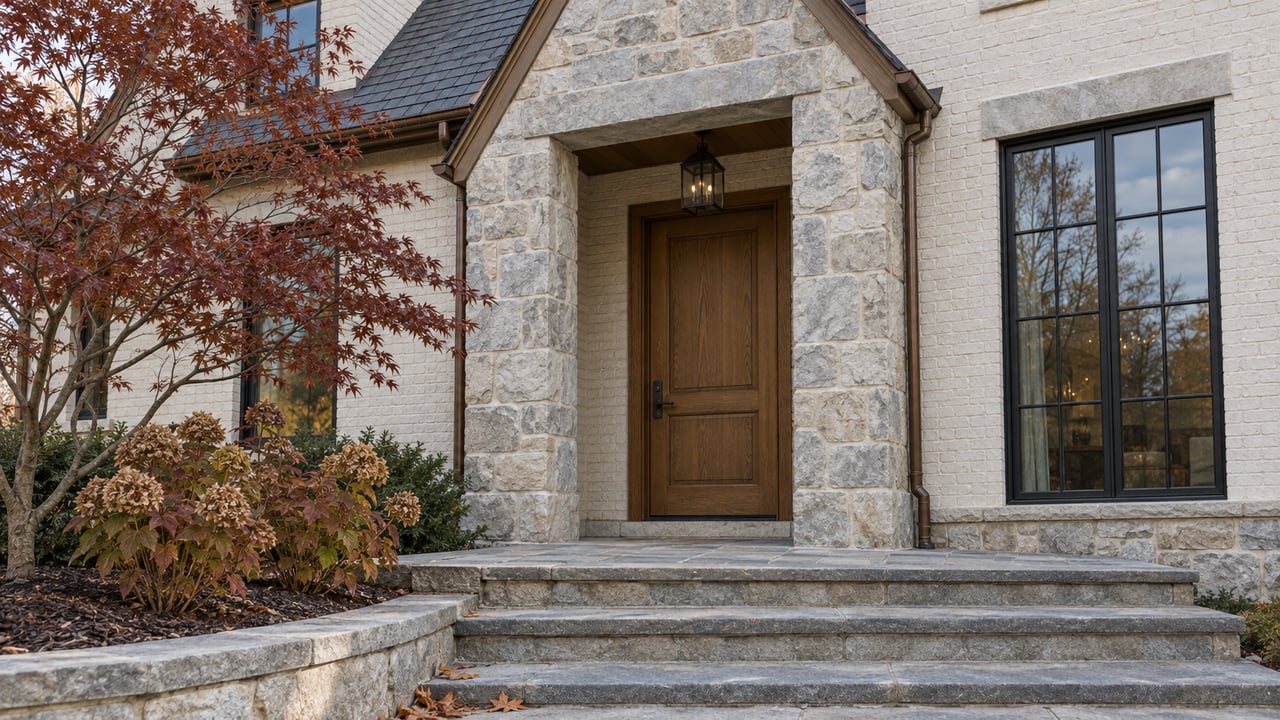
Near downtown, buyers may find older homes with architectural character, mature landscaping, and closer access to local gathering places. These properties can be charming, but age may bring added maintenance, renovation, insurance, or preservation considerations.
Established Subdivisions and Golf Communities
Older subdivisions may offer mature trees, larger yards, and a settled streetscape. Golf and amenity communities may add pools, clubs, trails, and social programming, but buyers should compare HOA costs, restrictions, membership terms, and what is actually included.
Newer Communities, Townhomes, and Easier-Maintenance Options
New construction has expanded the supply of modern floor plans, townhomes, planned amenities, and lower-maintenance properties. Buyers may appreciate updated layouts and less immediate upkeep, while accepting smaller lots, HOA restrictions, active construction, or uncertainty about future development.
Larger Lots and Higher-End Choices
Buyers seeking more privacy may find larger-lot properties around the outer portions of Wake Forest. At the higher end, communities such as Hasentree offer luxury homes and amenity-centered living. Recent Realtor.com data shows a median listing price above $1.1 million for Hasentree, illustrating how sharply prices can vary between communities.
What Today’s Wake Forest Housing Numbers Really Mean
Recent sources place Wake Forest home values and prices broadly within the low-to-mid $500,000s, although the metric matters. Zillow reported an average home value of approximately $513,000, Realtor.com showed an August 2026 median asking price of $549,000, and Redfin reported a median sale price near $490,000 for the three months ending June 2026.
Those numbers are useful background, but historic homes, townhomes, new construction, golf communities, and luxury properties do not compete in the same market. Pricing and negotiating room can change significantly by neighborhood and price point.
The Details Worth Checking Before You Fall in Love With a House
A thoughtful Wake Forest home search should go beyond square footage and finishes. Compare property taxes, HOA dues, covenants, insurance costs, traffic patterns, utilities, internet availability, planned roads, nearby construction, and distance to the places you use most.
We have helped buyers compare homes that looked almost identical online but felt completely different in person. One offered better access to daily errands, another had more restrictive HOA rules, and a third was surrounded by future development that changed the buyer’s perspective. Those details can matter more than the kitchen that first caught your attention.
Healthcare and everyday services are available throughout Wake Forest and the surrounding area, including facilities such as Duke Urgent Care Heritage. Buyers with specific medical needs should verify providers, insurance participation, services, and hours directly before choosing a location.
Could Wake Forest Feel Like Home? Spend a Day Living the Answer
Wake Forest offers a compelling balance: a historic center with its own identity, expanding recreation, varied housing, practical everyday conveniences, and access to Raleigh and the wider Triangle. Its growth also brings real considerations, including traffic, construction, evolving commercial corridors, HOA obligations, and meaningful differences between communities.
The best way to decide whether living in Wake Forest, NC, fits your life is to experience more than one side of it. Walk downtown, visit the parks, drive your likely routes, explore established and newer neighborhoods, and compare current homes at several price points. When you are ready, connect with The Sheri Hagerty Group for a personalized Wake Forest tour and a home search built around the way you actually want to live.
FAQs
Is Wake Forest, NC, a good place to live?
Wake Forest can be a great fit for buyers who want a mix of housing options, parks, greenways, a downtown area, and access to Raleigh. The right fit depends on your budget, commute, and lifestyle.
How expensive are homes in Wake Forest?
Recent data puts broad home values in the low to mid $500,000s, but prices vary by neighborhood and property type. Townhomes, new construction, larger lots, and luxury homes can fall into very different ranges.
What types of homes are available in Wake Forest?
Options include historic homes, established neighborhoods, townhomes, new construction, golf communities, larger-lot properties, and luxury homes. Inventory changes frequently.
Is it easy to commute from Wake Forest to Raleigh?
It depends on your destination, route, and travel time. If commuting is important, test your route during the hours you would actually travel.
What should I research before buying a Wake Forest home?
Look into the home’s condition, taxes, HOA rules, insurance, utilities, internet, traffic, nearby development, commute, and access to the places you visit regularly.
About The Sheri Hagerty Group
The Sheri Hagerty Group is a top-performing real estate team serving Raleigh and the surrounding Triangle with personal guidance, local insight, and a strategy shaped around each client’s goals.
The team was elected to the Luxury Home Marketing Group of the Triangle, an exclusive coalition of only 14 REALTORS®, and received the Triangle Business Journal’s Top Residential Team Award. Sheri has also hosted American Dream TV, highlighting the homes, communities, businesses, and people that shape life throughout the Raleigh area.
Backed by 260 successful home sales and $31.81 million in sales volume in 2025, The Sheri Hagerty Group brings proven experience and hyperlocal knowledge to every home search, especially for relocating buyers who need a trusted local perspective before they arrive.