Your property tax bill could change in 2027, and homeowners in Raleigh have an especially important date approaching. North Carolina voters supported a new property tax amendment in November, while Wake County is preparing to reassess property values across the county. For homeowners and buyers, these two developments create several questions worth answering before next year's tax bills arrive.
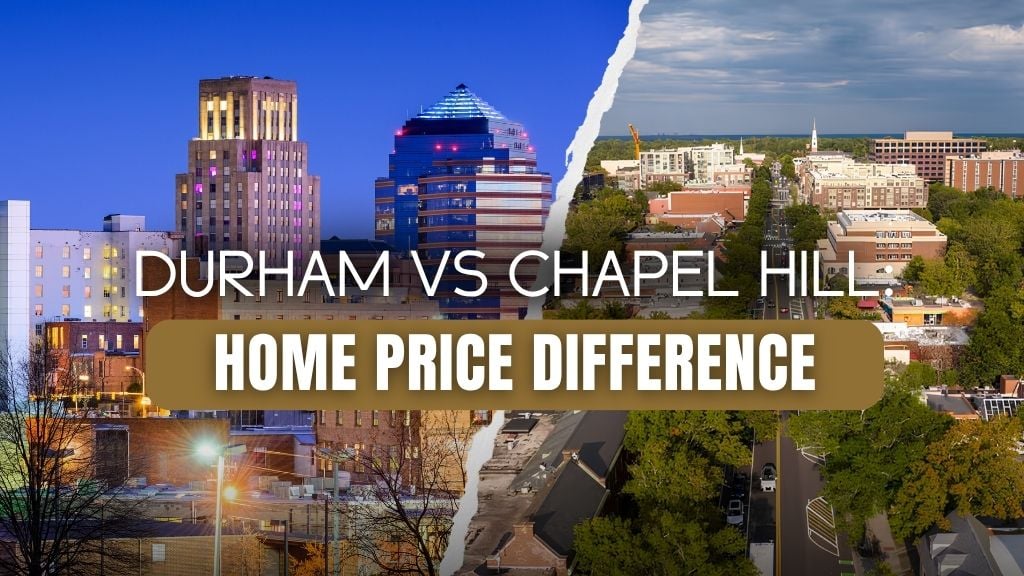
Here in the Triangle, Raleigh, Durham, and Chapel Hill follow different county reassessment schedules, and understanding those differences can help you plan your next move. We want to walk you through what the North Carolina property tax amendment could change, what is already happening locally, and the steps you can take to get a clearer picture of your expenses.
North Carolina's Property Tax Vote: What Changed?
North Carolina voters supported a constitutional amendment addressing local property tax increases in the November 3, 2026 election. Preliminary results showed majority approval, with statewide certification scheduled for November 24.
Under House Bill 1089, Session Law 2026-5, the General Assembly must establish limits on how much local governments can increase their property tax levies. Lawmakers can also create exceptions, although the amendment leaves those details for future legislation.
Here's what we know so far:
No specific percentage cap has been established. Lawmakers still need to determine the limits.
Property tax bills won't automatically decrease. Your assessed value and applicable tax rates continue to influence what you pay.
Implementation is still developing. The constitutional amendment takes effect upon certification, while the practical levy limits require additional legislation.
The most useful step right now is to understand your property's existing assessment and your county's next revaluation date.
Raleigh, Durham, and Chapel Hill Have Different Tax Timelines
County revaluations update the assessed value of real estate for tax purposes. Each county follows its own schedule, which means homeowners throughout the Triangle will experience these updates at different times.
Raleigh: Wake County's 2027 Revaluation Is Approaching
Wake County's next countywide revaluation takes effect January 1, 2027. New property assessments will reflect market conditions as of that date, with notices scheduled to be mailed to property owners in January.
For Raleigh homeowners, this is a good time to check your property's recorded square footage, improvements, land details, and current assessed value. Wake County also plans to move to a two-year revaluation cycle, with another reassessment scheduled for 2029.
Durham: The Next General Reappraisal Is Scheduled for 2029
Durham County completed its most recent general reappraisal effective January 1, 2025, and currently schedules the next one for January 2029. Property records can still be updated between general reappraisals for circumstances such as new construction and property improvements.
For people comparing homes in Durham, understanding the current assessed value and applicable tax rates is a useful part of evaluating ownership costs. We recommend reviewing those figures alongside insurance, maintenance, and any neighborhood or community fees.
Chapel Hill: Orange County's Current Assessments Date to 2025
Orange County completed its countywide revaluation effective January 1, 2025, with the next general revaluation scheduled for 2029. The county provides assessment information and resources explaining how property values are established.
When reviewing Chapel Hill homes for sale, confirm the property's exact county and taxing jurisdiction before estimating taxes. A Chapel Hill mailing address alone should never replace checking the parcel's official tax records.
Could the New Amendment Lower Your Property Taxes?
The amendment requires future limits on increases in local property tax levies. It does not set a cap on individual property assessments or promise a specific reduction in your annual tax bill.
Your property taxes depend on two figures: the assessed value assigned by the county and the tax rates established by the applicable taxing authorities.
For example, a change in assessed value can influence your tax bill even when a particular tax rate stays the same. Similarly, adjustments to county or municipal tax rates can affect the final amount owed.
The exact effect of the constitutional amendment will depend on the limits and exceptions lawmakers eventually establish. Until those details are available, homeowners should continue budgeting using current assessments and adopted local tax rates.
What Should You Do When a New Property Assessment Arrives?
For Raleigh homeowners, the upcoming Wake County revaluation deserves immediate attention. New assessed values are scheduled to be mailed in January 2027, and property owners will have an opportunity to appeal if they believe their assessment is inaccurate.
We recommend following these steps:
Review the property details. Confirm square footage, lot size, improvements, and other information used in the assessment.
Compare similar properties. Look at relevant nearby sales and property characteristics to evaluate whether the assessed value appears reasonable.
Check for factual errors. Incorrect property information can affect the county's valuation.
Review the appeal process. Wake County will provide instructions and deadlines with the new assessment information.
Keep supporting documents. Surveys, photographs, property records, and relevant sales information can help support an appeal.
The county establishes the appeal deadline through its Board of Equalization and Review. Check the instructions accompanying your notice rather than assuming a deadline based on a previous tax year.
Buying a Triangle Home? Get a Better Property Tax Estimate
Property taxes deserve attention before making an offer, particularly when comparing homes across different counties and municipalities. A property's current tax bill provides useful information, although upcoming reassessments and future tax rates can change your ownership expenses.
Our Triangle homebuying team can help you evaluate property values, comparable homes, and the costs worth reviewing before moving forward.
Here's what we recommend checking:
Current assessed value: Review the property's official county tax record.
Applicable tax rates: Confirm both county and municipal taxes, along with any additional taxing districts.
Upcoming revaluations: Account for Wake County's 2027 reassessment when evaluating Raleigh properties.
Tax relief eligibility: Review any available exclusions or deferment programs through the county tax office.
Total ownership expenses: Include insurance, HOA dues, maintenance, and other recurring costs.
For relocating buyers, understanding these local differences can make the home search more productive. We can help you compare neighborhoods and property features while the county tax office provides guidance on assessments, tax rates, and relief programs.
Make Your Next Triangle Real Estate Decision With Clearer Numbers
North Carolina's property tax amendment introduces a future change to local tax policy, while Wake County's approaching reassessment creates a more immediate consideration for Raleigh homeowners. Durham and Chapel Hill follow different timelines, so checking the county, assessed value, and applicable tax rates for each property is a smart place to begin. With a little preparation, you can better understand your ownership expenses and avoid relying on outdated tax estimates.
A home in Raleigh can come with different tax considerations from a property in Durham or Chapel Hill, even when the purchase prices are similar. Our team can help you compare those differences, evaluate current opportunities, and build a plan around your goals.
Ready to talk about buying or selling in Raleigh, Durham, or Chapel Hill? Contact The Sheri Hagerty Group, and let's discuss your next move, the properties worth exploring, and the costs you'll want to understand before making a decision.
FAQs About North Carolina Property Tax Changes
Did North Carolina voters approve the property tax amendment?
Preliminary results from November 3, 2026, showed majority approval. Statewide certification is scheduled for November 24, and the General Assembly must establish the specific levy limits through additional legislation.
Will Raleigh property taxes increase in 2027?
Wake County's 2027 revaluation will update assessed property values, while the final tax bill will also depend on the applicable tax rates. An increased assessment does not automatically mean the same percentage increase in taxes.
When will Durham and Chapel Hill properties be reassessed?
Durham County and Orange County currently schedule their next general property reappraisals for January 1, 2029. Both completed their most recent general revaluations in 2025.
Can I appeal my property tax assessment?
Yes. Property owners can appeal an assessed value through the applicable county's established process and deadlines. Check your assessment notice and county tax office instructions for the steps required.
About The Sheri Hagerty Group
The Sheri Hagerty Group is a top-performing real estate team serving Raleigh, Durham, Chapel Hill, and surrounding Triangle communities. We combine personal guidance, local market knowledge, and a strategy built around your goals to help you compare neighborhoods, evaluate property values, and navigate important buying and selling decisions.
Our team was elected to the exclusive Luxury Home Marketing Group of the Triangle, a coalition of just 14 REALTORS®, and received the Triangle Business Journal's Top Residential Team Award. Backed by 260 successful home sales and $31.81 million in 2025 sales volume, we bring established experience to every transaction. Sheri has also hosted American Dream TV, highlighting the homes, communities, businesses, and people that shape life throughout the Raleigh area.