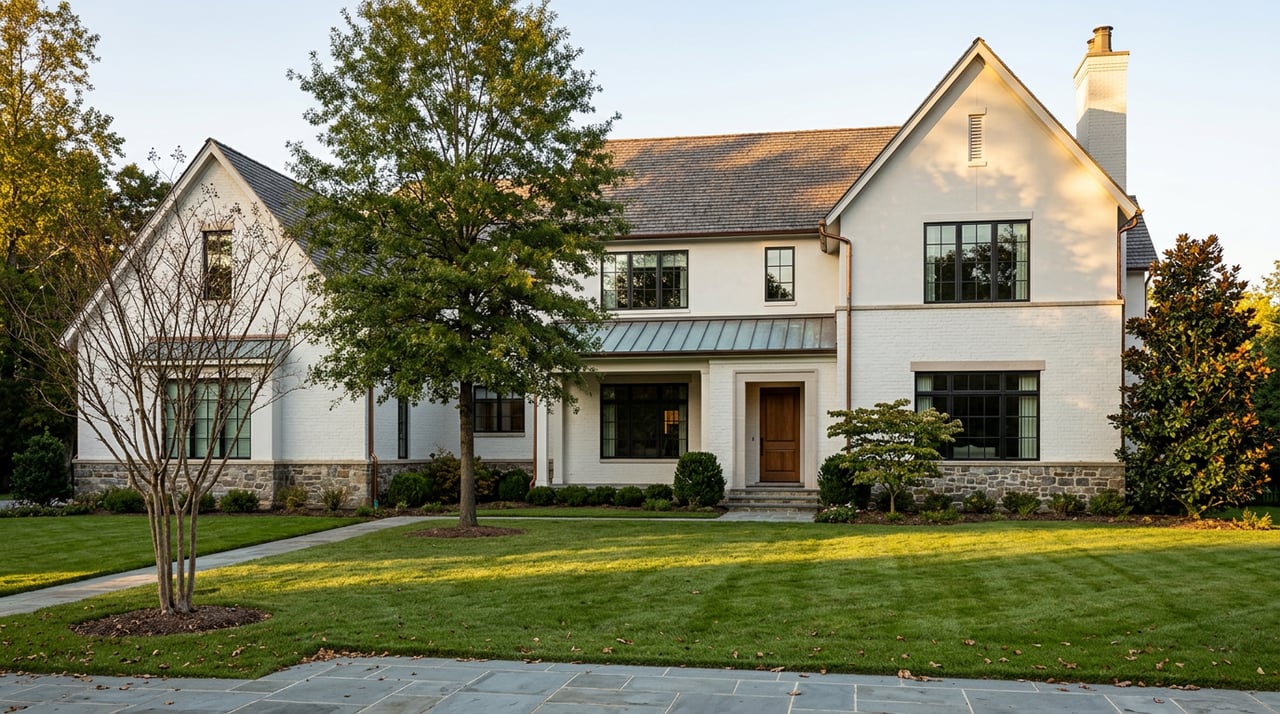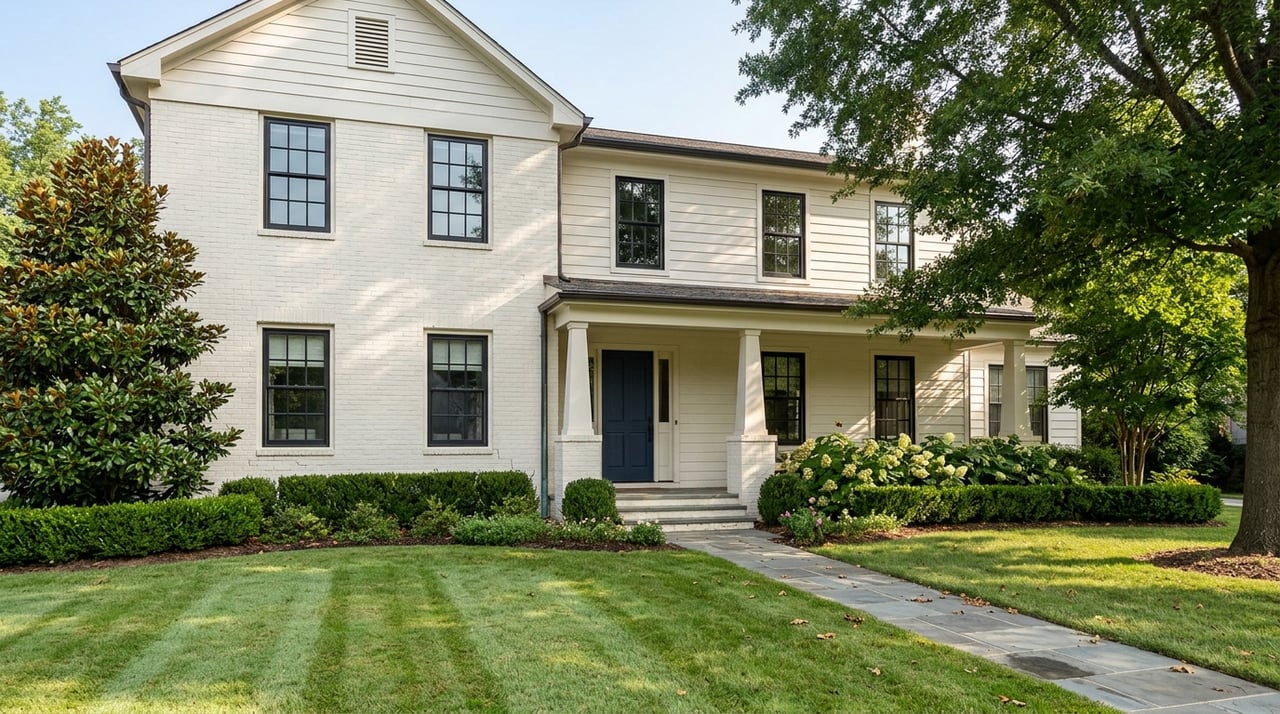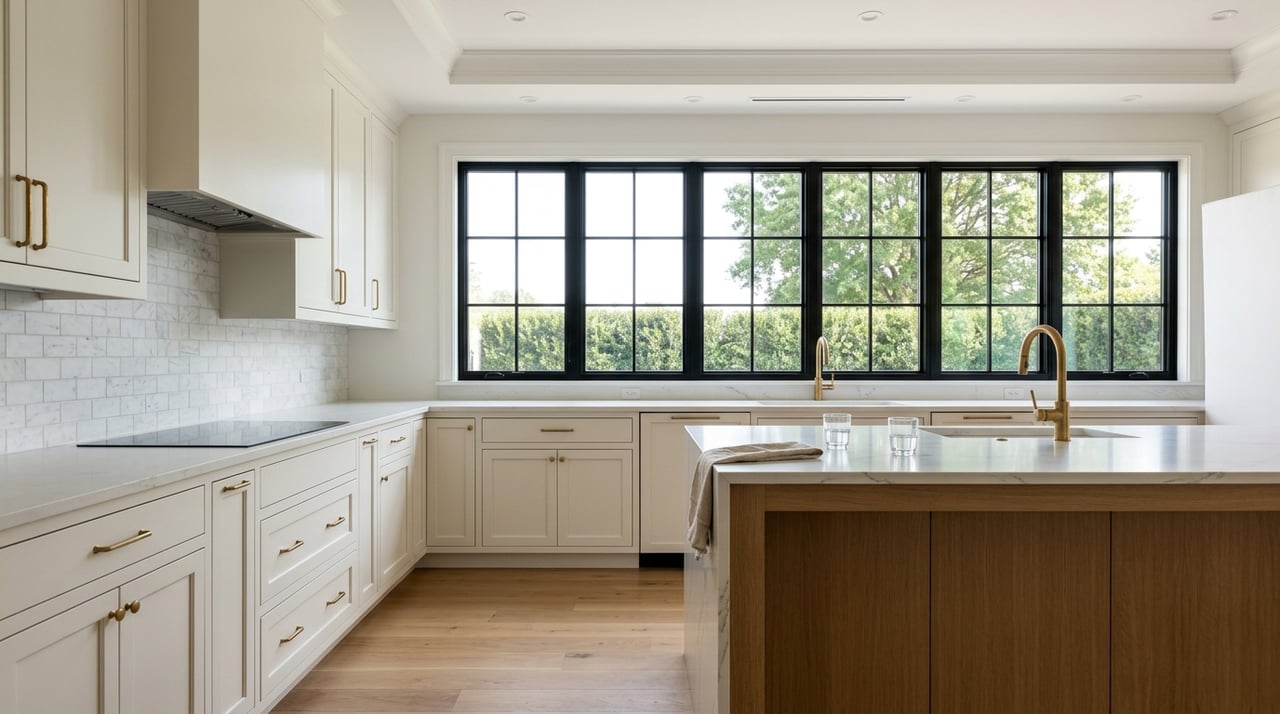
If you are searching for a home that feels current, efficient, and easier to live in day to day, Holly Springs deserves a close look. Buyers are drawn here for newer housing, planned growth, and homes that may offer lower utility use and better indoor comfort than older construction. If you want to understand what “energy-efficient” really means and how to evaluate new homes with confidence, this guide will help you ask smarter questions and compare your options clearly. Let’s dive in.
Why Holly Springs Appeals to New-Home Buyers
Holly Springs has grown quickly for years, and that momentum continues to shape the local housing market. The town’s housing affordability study reports population growth of 67% from 2010 to 2020, and the 2024 Census profile lists 15,625 housing units, 14,982 households, and a median household income of $135,578.
That growth has supported a steady pipeline of new development. Holly Springs’ FY27 budget message says the town averaged about 600 permits a year for single-family homes and townhomes over the past decade, even though permits dropped to under 300 in 2025. The same report notes about 5,200 approved residential units still to be built.
For buyers, that means you are not just shopping a few isolated communities. You are looking in a town with an active planning framework, ongoing infrastructure investment, and a meaningful supply of new and future homes.
What New Construction Looks Like Here
In Holly Springs, new development is shaped by town planning rather than scattered growth alone. The Comprehensive Plan guides future land use, transportation, parks, utilities, natural resources, and community character, which helps explain why many newer neighborhoods feel coordinated and intentionally laid out.
The town’s Unified Development Ordinance also sets standards for new subdivisions. These rules cover setbacks, landscaping, signage, streets, utilities, lot design, and architectural requirements. For you, that often translates into neighborhoods with organized streetscapes, shared open space, and a more predictable overall design.
Local planning documents also reflect how much of Holly Springs has expanded in recent decades. In the Northeast Gateway master plan area, the town reported that 34% of structures with available data were built between 2001 and 2021, with a median year built of 2005. While that is corridor-specific and not townwide, it still gives useful context for how new much of the area feels.
Why Energy-Efficient Homes Stand Out
A newer home is not automatically an energy-efficient home. Many buyers hear terms like green, high-performance, or efficient, but the real value comes from measurable standards and third-party verification.
That matters because efficient construction can affect your monthly costs and everyday comfort. Depending on the home and certification, benefits may include lower water use, lower energy use, improved air sealing, more effective ventilation, and better indoor air quality.
In a market like Holly Springs, where the median value of owner-occupied housing units was $485,500 in the 2019 to 2023 ACS, buyers often want more than updated finishes. They want lasting performance, not just attractive presentation.
Key Certifications to Know
ENERGY STAR Homes
ENERGY STAR Single-Family New Homes applies to site-built and modular detached homes, duplexes, and townhouses. Each certified home must meet program requirements that are field-verified by a third-party rater credentialed by an EPA-recognized home certification organization.
For you, that means the label should represent more than a builder’s marketing claim. There should be documentation tied to the specific home.
WaterSense Homes
WaterSense labeled homes must be at least 30% more water-efficient than typical new construction. They also must include WaterSense-labeled fixtures, be free from leaks, and be certified for both efficiency and performance.
According to EPA program information, these homes can save a family an average of 50,000 gallons of water or more and about $700 per year in water and energy bills. If long-term operating costs matter to you, this is a meaningful feature to compare.
Indoor AirPlus Homes
Indoor AirPlus is a voluntary labeling program that focuses on indoor air quality. It requires construction practices and product specifications designed to reduce exposure to airborne pollutants and contaminants.
If you care about day-to-day comfort, this label is worth noting. It signals that the builder followed additional practices beyond standard code requirements.
DOE Zero Energy Ready Homes
The DOE Zero Energy Ready Home program is considered a high-performance benchmark. DOE says certified homes are often 40% to 50% more efficient than a typical new home.
These homes also align insulation with the 2021 IECC, incorporate Indoor AirPlus measures, and expand features that support future solar readiness and high-efficiency electric technologies. For buyers who think long term, this can be an important standard.
What to Compare Beyond the Sales Center
Builder materials and model homes can be polished, but your decision should go deeper than finishes and floor plans. The strongest comparison points are the actual certifications, the home’s systems, and the way the lot works for your lifestyle.
Start with the building envelope and core systems. Insulation, air sealing, ventilation, hot-water delivery, and water-efficient fixtures are the features most directly tied to high-performance labels and monthly utility use.
Then look at the lot itself. If privacy, shade, solar access, or yard maintenance matter to you, pay attention to lot orientation, tree preservation, open-space buffers, and landscape requirements.
Questions to Ask Before You Buy
When you tour new and energy-efficient homes in Holly Springs, ask for specifics. Clear documentation will tell you much more than broad language like “green features” or “eco-friendly design.”
A helpful checklist includes:
- Ask for the actual certification files for the specific address and lot.
- Confirm whether the home has ENERGY STAR, WaterSense, Indoor AirPlus, or DOE Zero Energy Ready certification.
- Review verification reports completed by the third-party rater or certifier.
- Compare insulation, air sealing, ventilation, and water-efficiency features between homes.
- Ask how hot water is delivered and whether the plumbing layout is designed for efficiency.
- Review lot orientation, tree coverage, and any open-space buffer near the property.
- Verify permits and inspections for the home project through the town’s process.
Holly Springs notes that many home projects require permits and explains that permits are primarily about safety and protecting future owners. That makes permit status and inspection history part of your due diligence, not just a builder-side detail.
How Holly Springs Planning Affects Your Experience
One reason many buyers like newer Holly Springs communities is that growth has been paired with infrastructure planning. The town’s documents point to coordinated work around streets, utilities, open space, conservation, and development standards.
The Northeast Gateway master plan also notes that Holly Springs has more than eight miles of greenways and describes planning for water, wastewater, and open-space capacity. The FY27 budget message adds that the town continues investing in mobility, utility capacity, greenways, and environmental protection.
For you, this can mean a more predictable ownership experience in newer areas. It does not guarantee every community will feel the same, but it does help explain why so much of Holly Springs’ new housing is tied to planned infrastructure rather than purely piecemeal growth.
How to Judge Value in a New Home
The best new home for you may not be the one with the longest feature sheet. Value often comes from the combination of certification level, builder execution, lot quality, and how well the home supports your daily routine.
A home with verified efficiency features may help reduce water and energy use over time. It may also offer stronger indoor comfort and air quality, especially when ventilation and air sealing are done well.
At the same time, community design matters. Open space, tree preservation, streetscape consistency, and utility planning can shape how the neighborhood lives over the long term.
Why Local Guidance Matters
New construction can look straightforward on the surface, but there is a lot to compare once you move past the model home. Certification paperwork, lot differences, builder standards, and neighborhood planning details can all change the value of what you are buying.
That is especially true in a market like Holly Springs, where newer homes span a range of styles, price points, and performance levels. If you want a home that fits both your design preferences and your long-term goals, it helps to have experienced guidance along the way.
If you are exploring new and energy-efficient homes in Holly Springs, working with a team that understands new construction, custom builders, and green home features can help you evaluate the details with confidence. Connect with Sheri Hagerty for thoughtful guidance as you compare communities, builders, and homes across the Triangle.
FAQs
What makes a new home in Holly Springs energy-efficient?
- In Holly Springs, an energy-efficient new home is best identified by verified features such as insulation, air sealing, ventilation, water-efficient fixtures, and certifications like ENERGY STAR, WaterSense, Indoor AirPlus, or DOE Zero Energy Ready Home.
What should buyers ask for when touring new construction in Holly Springs?
- Buyers should ask for certification documents and third-party verification reports for the specific home and lot, along with permit and inspection information and details about insulation, ventilation, and water-efficiency systems.
Are all new homes in Holly Springs certified as green or efficient?
- No. A new home may include some efficient features, but buyers should confirm whether the home has actual certification paperwork rather than relying on general builder marketing language.
Why do newer Holly Springs neighborhoods feel more planned?
- Many newer Holly Springs neighborhoods are shaped by the town’s Comprehensive Plan and Unified Development Ordinance, which guide land use, infrastructure, streets, utilities, landscaping, and open space.
Do energy-efficient homes in Holly Springs help lower utility costs?
- They can, depending on the home’s features and certification level. For example, EPA program information says WaterSense labeled homes can save a family an average of 50,000 gallons of water or more and about $700 per year in water and energy bills.
Why is lot selection important in Holly Springs new construction?
- Lot orientation, tree preservation, open-space buffers, and landscape requirements can affect privacy, shade, solar access, and yard maintenance, so the lot can be just as important as the house itself.