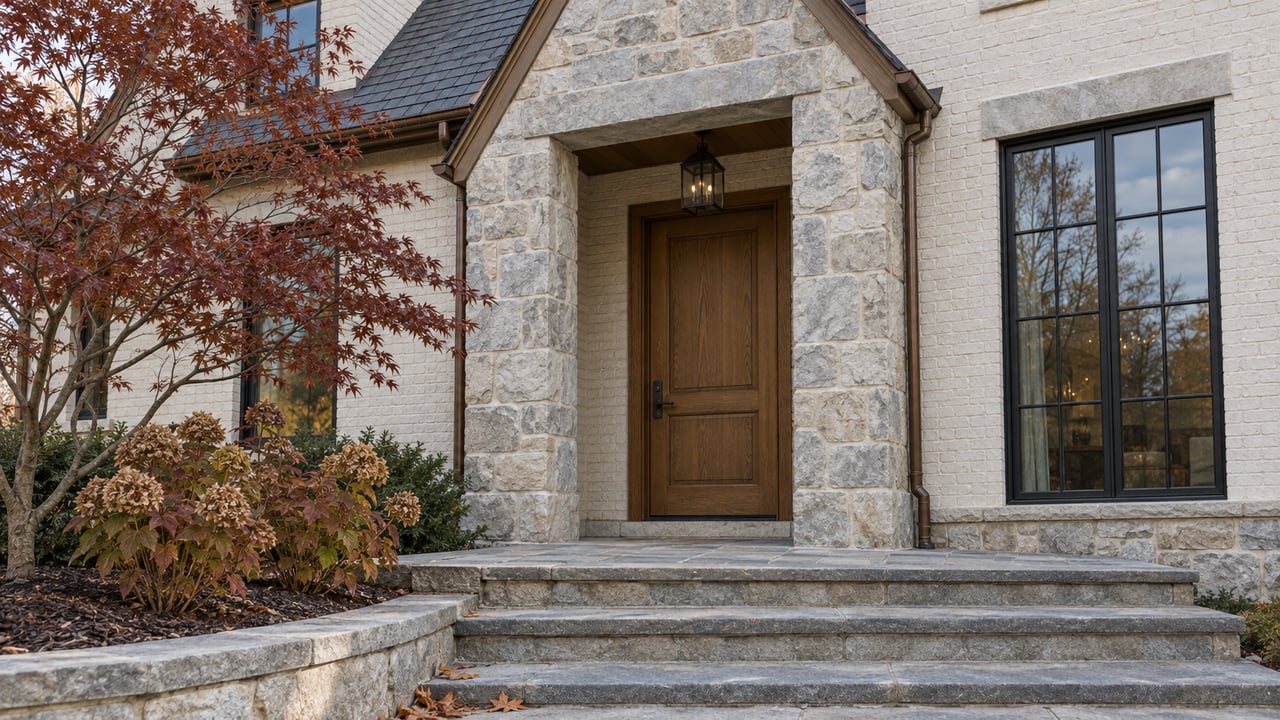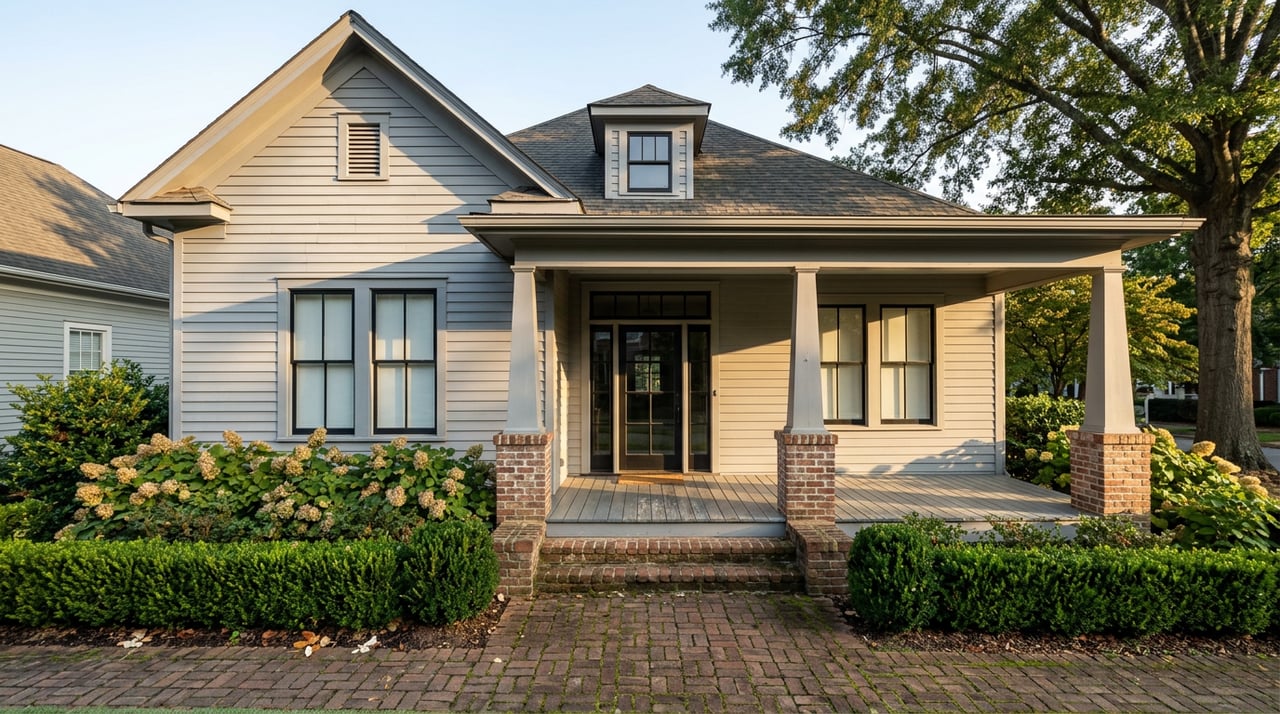
Trinity Park and Trinity Heights sit next to each other, and to a passerby look like one continuous stretch of Queen Anne porches and century-old oaks. But if you own a house in Trinity Heights and want to replace a rotted porch railing before you list, you need a Certificate of Appropriateness from the city before a contractor touches it. If you own the house just across the neighborhood line in Trinity Park, the Trinity Park neighborhood association says no Certificate of Appropriateness is required there.
That difference has nothing to do with either house's age. It comes down to a distinction most Durham sellers never learn until they're mid-renovation and a contractor asks whether the permit's been pulled. National Register listing and Local Historic District designation are not the same thing, and only one of them puts the city in charge of your exterior.
Two Labels, One City, Very Different Requirements
Durham has historic designations and overlays across its older neighborhoods, and they carry very different obligations for a seller planning pre-listing work.
| Designation | Where it applies | What it requires before you touch the exterior |
|---|---|---|
| Local Historic District (LHD) | Trinity Heights, Watts-Hillandale, Morehead Hill, Cleveland Street, Holloway Street, Golden Belt, Fayetteville Street, and Downtown Durham | A Certificate of Appropriateness from Durham's Historic Preservation Commission is required for covered exterior changes; paint color is outside COA review. This applies whether or not a covered change is visible from the street. |
| Neighborhood Protective Overlay (NPO) | Old West Durham, Tuscaloosa-Lakewood | The Trinity Park neighborhood association describes a customized, generally lighter set of design rules negotiated by the neighborhood itself, short of a full COA process. |
Eight neighborhoods currently carry the LHD designation. If your address is one of them, the Certificate of Appropriateness process governs your renovation timeline whether you're prepping a listing in six weeks or six months.
What a Certificate of Appropriateness Actually Asks For
The city splits COA review into two tracks based on scope. Durham's Certificate of Appropriateness guidance says Minor Works gets reviewed administratively by planning staff, typically within 10 business days of a complete application. Major Works has to go in front of the Historic Preservation Commission, which meets the first Tuesday of every month. Getting on that agenda requires a presubmittal conference first, and the application deadline lands roughly two months ahead of the hearing date.
Run that math against a normal fall closing timeline. If a project needs Major review and nobody caught that early, a seller can lose most of a listing season waiting on a monthly meeting they didn't know existed.
Once granted, a COA stays valid for two years or as long as its associated building permit remains active, so there's no need to cram every project into a single window before you list. But skipping the process is not a small risk to take. Durham can issue a Notice of Violation for unauthorized exterior work in a local historic district, and the fine runs $500 for every day the property stays out of compliance.
Why Preservation-Minded Neighbors Still Argue About This
If the LHD process sounds like a burden, it's worth knowing that Durham's own preservationists disagree about whether every historic block should carry it. Trinity Park, sitting right next to Trinity Heights, has spent years debating whether to pursue LHD designation for itself. The neighborhood association revisited the question again at a June board meeting that drew roughly 45 residents, in person and by video call, with a panel that included Tony Sease, a Trinity Park resident who serves on the Durham Planning Commission, preservationist Sara Lachenman, and David Berger, a Duke economist who studies housing markets.
As the Trinity Park neighborhood association reported:
"What this neighborhood is... is different in substantive ways from the other LHDs in our town."
Sease made that point during the panel discussion, and the meeting didn't resolve the question either way. That's useful context for a seller weighing a purchase or listing nearby: this isn't a settled, uniform system spreading outward from downtown. It's a patchwork that individual neighborhoods have opted into, or deliberately stayed out of, sometimes for reasons that have as much to do with local politics as architecture.
The Paint Question Everyone Assumes Is a Problem
One worry comes up constantly among owners in the eight LHD neighborhoods: does the exterior paint color need city approval too? It doesn't. Paint color sits outside COA review entirely across Durham's historic district guidance. If a pre-listing to-do list is mostly a fresh coat on trim and shutters, that part of the project moves at a normal contractor's pace no matter which LHD neighborhood the house sits in.
What This Means If You're Listing This Fall
Before scheduling any exterior work on a historic-feeling Durham property, the first move is a quick check on Durham Maps, the city's GIS tool, to confirm whether the specific parcel sits in a National Register district only, a designated LHD, or an NPO. Boundary lines don't always match the neighborhood name on a listing sheet, and Trinity Park and Trinity Heights are proof that adjacent blocks can carry entirely different rules.
A short checklist for anyone weighing pre-listing improvements in one of Durham's historic pockets:
- Confirm the exact designation on Durham Maps before hiring a contractor, not after.
- If the home sits in one of the eight LHD neighborhoods, build the COA calendar into the listing calendar, especially for anything likely to need Major review.
- If the home is National Register only, weigh a larger rehab against the North Carolina state tax credit before assuming there's no financial upside to doing it right.
That last point is worth spelling out. The North Carolina Historic Preservation Office says owner-occupied homes in qualifying National Register districts can receive a 15 percent state tax credit on rehabilitation work, provided the project follows the Secretary of the Interior's Standards and the qualifying expense clears $10,000 within a 24-month window. That's a real number to weigh against the cost of exterior repairs before a sale, not just a preservation talking point.
None of this changes what these neighborhoods are worth to buyers. Character homes in Durham's historic pockets consistently draw interest specifically because they still look the way they've always looked. Recent sales data compiled for Watts-Hillandale, where most structures went up between 1910 and 1950, still shows a median sale price above $500,000 with a median time on market around 30 days. Buyers are paying for the very thing the COA process protects. A seller's job is knowing which set of rules comes attached to the house before the paperwork becomes a surprise.
A Few Questions Worth Asking First
What if work already started without one? Contact the city's preservation staff right away.
If you're weighing a listing in one of Durham's historic pockets and want a straight answer about which rules actually apply to your specific address, The Sheri Hagerty Group can walk through the timeline with you before a single contractor gets hired. Get a free home valuation to start the conversation.
This article is general information, not legal, tax or financial advice. Consult a qualified professional about your situation.