Thinking about leaving Raleigh or Cary for Holly Springs? You are not alone. Many buyers are weighing the tradeoff between a somewhat longer commute and a more neighborhood-centered setting, and the choice can feel both exciting and complex. If you want to know how daily life, housing costs, home styles, and move timing may change, this guide will help you sort through the details. Let’s dive in.
Why Holly Springs Feels Different
Holly Springs has grown quickly in recent years. Census estimates put the town at 50,288 residents as of July 1, 2025, which is up 21.9% from 2020. Even with that growth, the town continues to draw buyers who want a southwest Wake County location with access to Raleigh, RDU, and Research Triangle Park by way of NC 540.
The first difference many movers notice is pace. Holly Springs offers a more suburban setting than Raleigh and a different feel than Cary, with daily life often centered around neighborhoods, parks, greenways, and downtown gathering spots. In the town’s 2025 community survey, 95% of respondents rated Holly Springs as an excellent or good place to live, and 84% said they were satisfied with parks and greenways.
Commute Changes to Expect
If you are moving from Raleigh or Cary, commute time is one of the first practical questions to answer. Census data show a mean travel time to work of 28.8 minutes in Holly Springs, compared with 23.0 minutes in Raleigh and 22.5 minutes in Cary. That does not tell you exactly how your own drive will look, but it does suggest that some households may accept a longer trip in exchange for a different setting.
The good news is that Holly Springs is not strictly drive-only. The town has peak-hour GoTriangle service to downtown Raleigh and also offers local microtransit service. If your schedule allows some flexibility, those options may become part of your routine.
Distance to Major Destinations
According to the town, Holly Springs is about a 20-minute drive from the Raleigh urban center and about 30 minutes from RDU and RTP via NC 540. Those estimates can help you frame the move, especially if you split time between an office, the airport, and activities across Wake County.
For many buyers, the real question is not whether the map changes. It is whether the day-to-day tradeoff feels worth it. If you value more breathing room and a neighborhood-oriented routine, Holly Springs may line up well with your goals.
Housing Costs and Budget Expectations
One of the biggest surprises for Raleigh buyers is that Holly Springs pricing often looks closer to Cary than to Raleigh. Redfin market snapshots for the three months ending May 2026 show a median sale price of $621,628 in Holly Springs, compared with $629,623 in Cary and $424,746 in Raleigh. That means you should not assume Holly Springs will automatically be the lower-cost option.
The local pace is also worth noting. Homes in Holly Springs were taking about 19 days to sell on average, compared with 22 days in Cary and 34 days in Raleigh. Even if conditions shift from one month to the next, that snapshot points to a market where preparation still matters.
Ownership Costs to Review
Census housing data add more context to the budget picture. In Holly Springs, the median value of owner-occupied housing units is $535,800, and the median monthly owner cost with a mortgage is $2,430. For comparison, the Census median owner-occupied value is $580,200 in Cary and $415,800 in Raleigh.
You should also factor in local taxes and fees as part of your move plan. Holly Springs has a property tax rate of 34.35 cents per $100 of value, and the town also levies a $25 vehicle decal fee that appears on the Wake County tax bill. County taxes are additional, so it helps to review the full ownership picture before you start writing offers.
What Kind of Home You Will Find
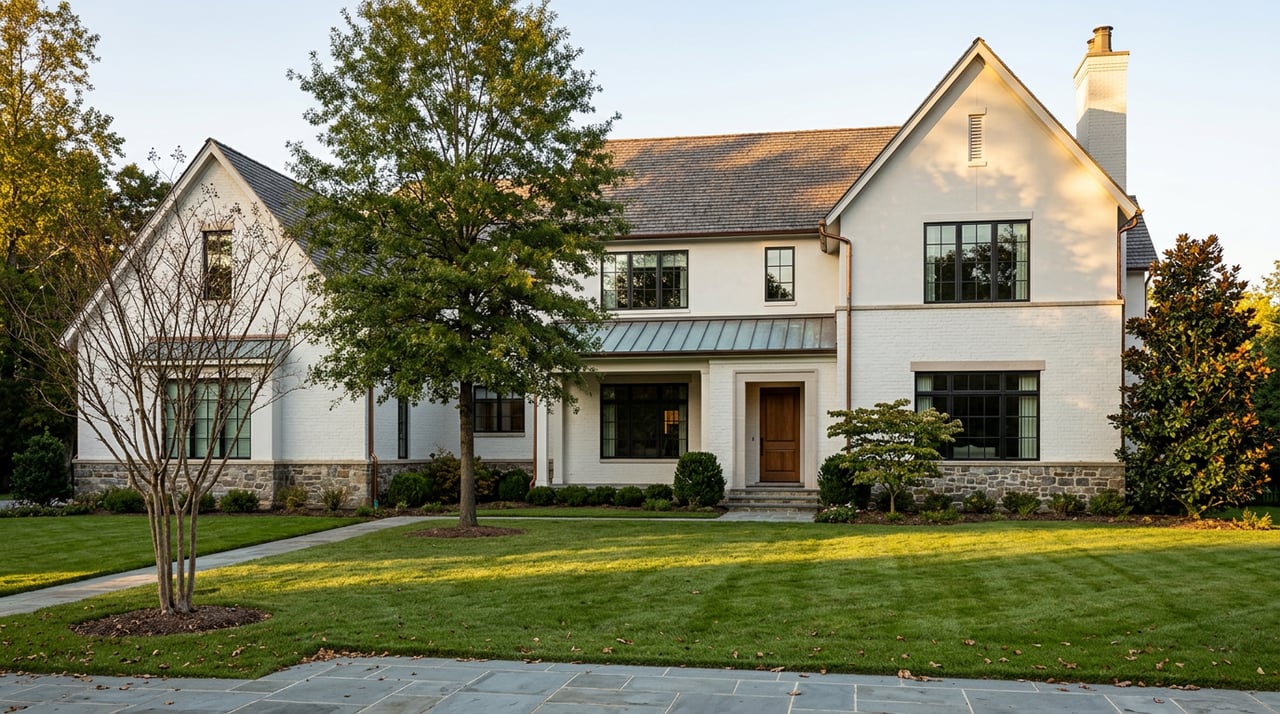
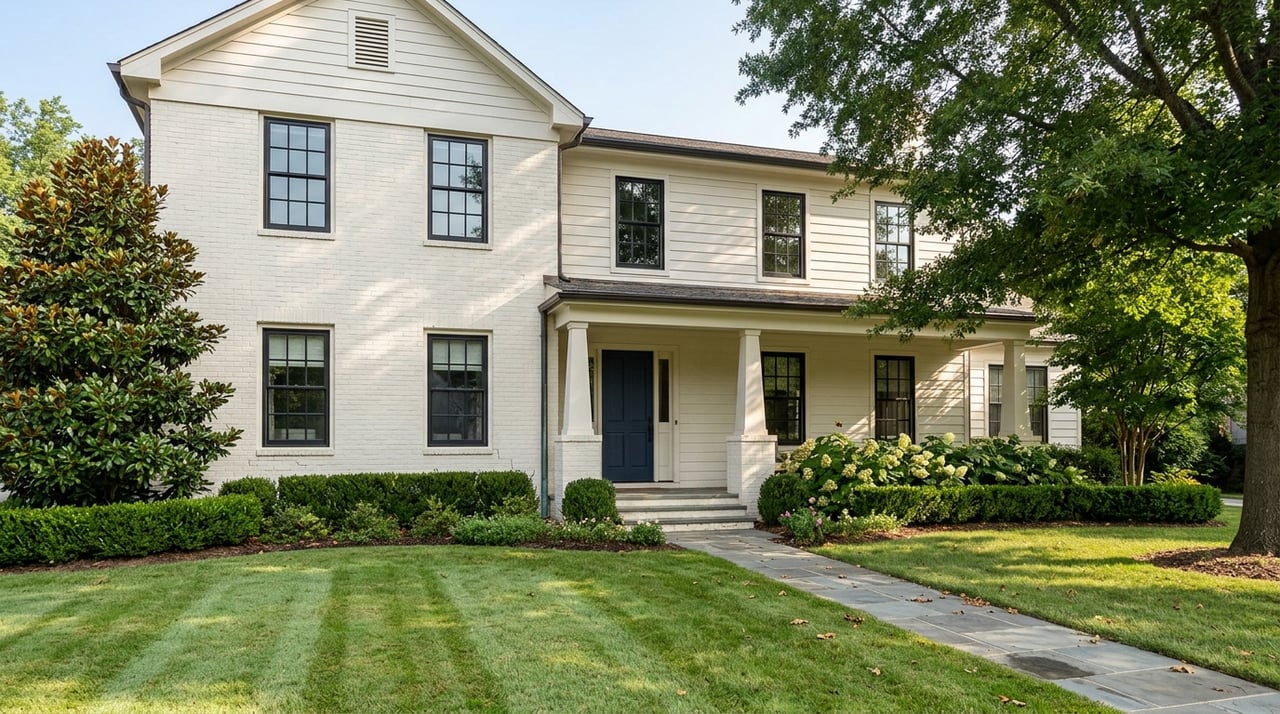
Holly Springs is still primarily a detached-home market. The town’s long-range plan describes its Residential Neighborhood areas as mostly single-dwelling detached housing, with varying lot sizes and some accessory dwelling units. If you are coming from a part of Raleigh with a wider mix of housing types, that difference may stand out.
At the same time, Holly Springs is not one-note. The Downtown Village District supports a more compact mixed-use pattern that can include condominiums or apartments above storefronts, along with nearby small-lot homes, townhomes, duplexes, cottage dwellings, multi-unit houses, and accessory dwelling units. That broader mix can be helpful if you want lower-maintenance living or a more connected downtown setting.
Detached Neighborhoods Versus Downtown Living
If your priority is a more established suburban feel, detached-home neighborhoods may be the best fit. Many buyers are drawn to the trail connections and community layout that shape everyday life in those areas. The Middle Creek Greenway, for example, connects Arbor Creek, Bridgewater, Woodcreek, and Sunset Ridge North.
If you prefer a more walkable small-town atmosphere, downtown Holly Springs offers a different experience. Main Street, the farmers market, the Cultural Center, Mims Park, and the town’s social district create a more compact activity hub. The best choice often comes down to how you want your weekends, errands, and social time to feel.
How to Choose the Right Area
When you relocate, it is easy to focus only on current listings. In Holly Springs, it is also smart to look at what may be built around a home in the future. The town’s maps show current and future residential developments, the zoning map, the land-use plan map, and the planning jurisdiction.
That extra step can help you make a more informed decision. A home that feels tucked away today may sit near future development patterns, while another area may align better with your long-term preferences. For buyers making a move from Raleigh or Cary, that kind of planning context can reduce surprises.
Questions Worth Asking Early
Before narrowing your search, it helps to define the tradeoffs that matter most to you:
- How important is commute time compared with neighborhood setting?
- Do you want mostly detached homes, or are townhomes or downtown options worth exploring?
- Would trail access or proximity to downtown amenities shape your daily routine?
- Are you trying to stay close to Raleigh, RTP, or the airport?
- Do you need to coordinate the move around a home sale or school calendar?
Timing Your Sale and Purchase
For many move-up and relocation buyers, the hardest part is not choosing Holly Springs. It is lining up the sale of your current home with the purchase of the next one. A thoughtful sequence can make the move feel much more manageable.
Consumer guidance from the CFPB says that if you want to move, you normally try to sell your current home before buying another one. It also recommends getting preapproved early so you can shop with a clearer budget, while remembering that preapproval does not commit you to a lender. That clarity can be especially important in a market where homes are still moving quickly.
Build a Budget Beyond the Price Tag
Your purchase budget should include more than down payment numbers. The CFPB also stresses making room for closing costs, moving costs, and an emergency cushion. If you are moving from Raleigh or Cary, those added costs can affect how comfortably you handle the transition.
This is one reason strategy matters so much. The strongest move plan is usually the one that accounts for both the transaction and the life change happening around it.
Handling Two Closings Smoothly
When your current home must sell before your next purchase closes, contract structure becomes important. Consumer guidance on contingencies notes that a home-close contingency can give buyers time to close on their current sale before purchasing the new home. A kick-out clause can allow the seller to keep showing the home while that contingency remains open.
Clear timelines matter. Guidance also notes that contingencies should be written clearly and that rent-back clauses can help when closing and move dates do not line up. In many cases, the loan closing and the home purchase closing happen at the same time, so coordination across each step is key.
A Practical Relocation Sequence
If you are planning a move to Holly Springs from Raleigh or Cary, this is a practical order to follow:
- Get financing in place early.
- Decide whether your current home needs to sell first.
- Narrow your search using listing inventory plus town maps and planning data.
- Build in a contingency or temporary-occupancy plan if your dates may not align.
That sequence can help you stay realistic about both timing and budget. It also gives you a better chance of moving with less stress.
School Assignment Timing Matters
If you have school-age children, timing deserves special attention. Wake County Public School System assignments are address-based, not town-name-based. Final enrollment and school assignment require proof that the home purchase has closed and Wake County domicile has been established.
That means your school timeline may depend on your closing timeline. If you want to move before the school year starts, it helps to build that requirement into your search and contract strategy early. Even a well-planned move can feel rushed if school logistics are left until the last minute.
Is Holly Springs the Right Move for You?
For many buyers, Holly Springs offers a compelling middle ground. You stay connected to Raleigh and the broader Triangle, while gaining a setting that often feels more residential and neighborhood-centered. You may trade some commute convenience, but you could gain a stronger match for the way you want to live day to day.
The key is to make the decision with a clear view of pricing, commute patterns, housing options, and move timing. If you approach the transition with the right strategy, relocating from Raleigh or Cary to Holly Springs can feel much more focused and far less overwhelming.
If you are planning a move and want experienced guidance on timing, pricing, neighborhood fit, and the details that shape a smooth transition, connect with Sheri Hagerty.
FAQs
What is the average commute from Holly Springs compared with Raleigh or Cary?
- Census data show a mean travel time to work of 28.8 minutes in Holly Springs, compared with 23.0 minutes in Raleigh and 22.5 minutes in Cary.
How do Holly Springs home prices compare with Raleigh and Cary?
- Redfin market snapshots for the three months ending May 2026 show a median sale price of $621,628 in Holly Springs, $629,623 in Cary, and $424,746 in Raleigh.
What kinds of homes are common in Holly Springs?
- Holly Springs is still mainly a detached-home town, though downtown and nearby districts are planned to include options such as townhomes, duplexes, cottage dwellings, condominiums, apartments, and accessory dwelling units.
What should buyers review before choosing a Holly Springs neighborhood?
- It is smart to review current listings along with town maps showing zoning, land use, planning jurisdiction, and current or future residential developments.
How should you plan a move to Holly Springs if you need to sell first?
- A practical approach is to get preapproved, decide whether your current home must sell first, narrow your search, and then build in a contingency or temporary-occupancy plan if the two closings may not line up.
How does school assignment work when relocating to Holly Springs?
- Wake County Public School System assignments are based on the property address, and final enrollment requires proof that your purchase has closed and Wake County domicile has been established.