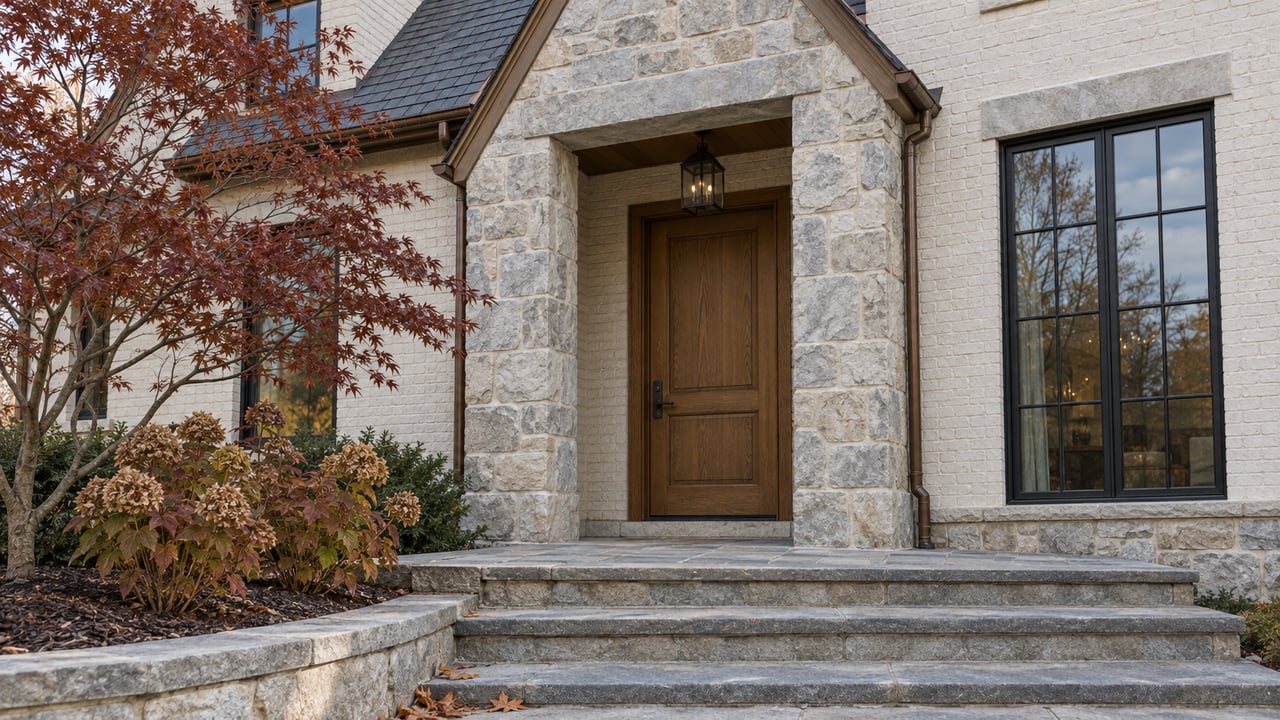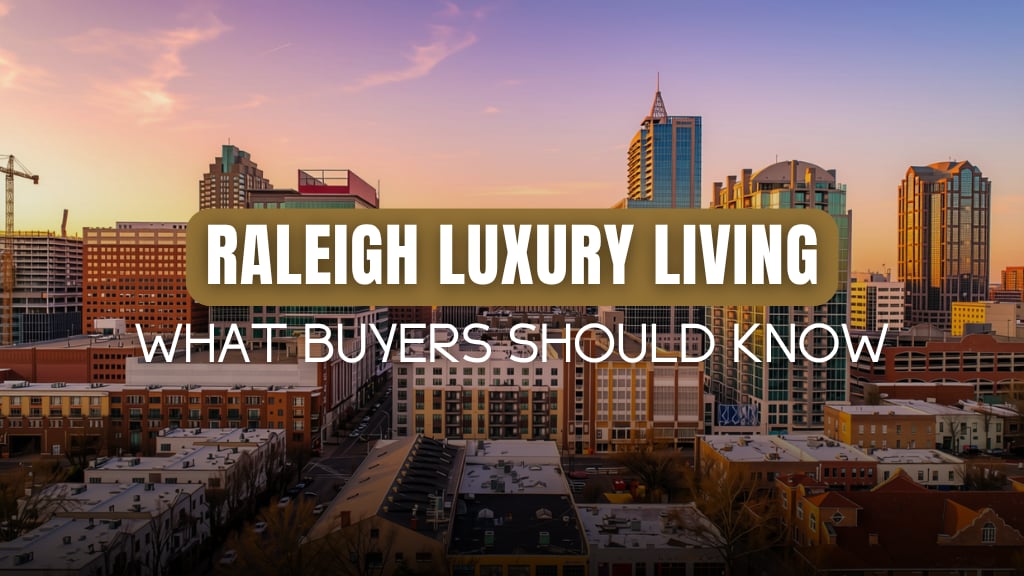
A seven-figure price tag can get a home noticed, but it does not automatically make that home feel luxurious. In Raleigh, true luxury may take the form of a carefully restored historic estate, a modern infill residence near the city’s cultural core, a golf-course property designed for entertaining, or a private custom home surrounded by trees in North Raleigh.
What connects these very different properties is not one architectural style or neighborhood. It is the combination of craftsmanship, location, privacy, thoughtful design, and a home that supports the owner’s daily life exceptionally well.
Today’s luxury real estate market in Raleigh, NC, is becoming more selective. Buyers still appreciate beautiful finishes, but they are looking more closely at construction quality, functionality, maintenance, technology, outdoor living, and long-term value. Sellers, meanwhile, need to understand that a highly customized home does not always sell for the total amount invested in it.
Raleigh Luxury Is No Longer Defined by One Look
There is no single template for a high-end Raleigh home. Two similarly priced properties can offer completely different versions of luxury, from historic character close to downtown to modern infill or private custom estates farther north.
Historic Estates Inside the Beltline
Neighborhoods such as Hayes Barton, Budleigh, Country Club Hills, and parts of Five Points are known for mature landscaping, established streets, architectural character, and central Raleigh access. Buyers may find Georgian, Colonial Revival, Tudor, Craftsman, and other traditional styles, often with details that are difficult to recreate today.
That charm comes with extra due diligence. Older electrical systems, plumbing, foundations, roofs, drainage, windows, and previous renovations deserve careful review. Homes in locally designated historic areas may also face approval requirements for certain exterior changes through Raleigh’s Historic Development Commission.
Modern Infill and Extensively Renovated Homes
Close-in Raleigh has also seen older homes transformed or replaced with larger contemporary and transitional residences. Buyers can gain newer systems, open living areas, larger kitchens, offices, and stronger indoor-outdoor connections while staying close to the city.
The tradeoff is often lot size. Infill buyers should also look beyond finishes and consider drainage, neighboring redevelopment, setbacks, construction quality, and how well the home fits its site.
Custom Estates and Private North Raleigh Settings
North Raleigh offers a different kind of luxury, often with larger parcels, wooded surroundings, private drives, pools, multiple garages, and custom layouts.
That extra privacy can create room for outdoor entertaining, guest spaces, offices, or wellness areas, but buyers should weigh it against commute time, maintenance, road access, and HOA or architectural-review rules.
As Raleigh real estate experts, we often see buyers begin by asking for “luxury” and quickly realize they are really choosing between location, land, architecture, convenience, and privacy. Knowing which matters most makes the search far more focused.
The Features High-End Buyers Are Looking For Now
Luxury buyers still care about presentation, but the strongest homes feel intentional. The features that stand out most are usually the ones that make everyday life easier.
Indoor-Outdoor Living That Feels Natural
Covered porches, screened rooms, outdoor kitchens, pools, patios, fireplaces, and landscaped entertaining areas remain appealing, especially when they connect naturally to kitchens and living spaces.
Privacy, sun exposure, drainage, landscaping costs, pool placement, and year-round usability matter just as much as appearance.
Kitchens Designed for More Than Appearance
High-end kitchens need to work as well as they photograph. Buyers may value large islands, quality cabinetry, concealed storage, walk-in pantries, multiple ovens, beverage stations, and professional-style appliances.
Even a beautiful kitchen can lose appeal when circulation is awkward, storage is limited, or the finishes feel too specific to one owner.
Flexible Offices, Guest Suites, and Wellness Rooms
Luxury households increasingly value rooms that can adapt. Quiet offices, guest suites, gyms, hobby rooms, first-floor bedrooms, and secondary living areas can all make a home more useful over time.
Flexibility matters because future owners may use the same space very differently.
Technology Without Visual Clutter
Whole-home audio, security, lighting, climate control, motorized shades, generators, EV charging, and networking can add convenience, but buyers also want systems that are current and easy to manage.
Complicated technology can quickly become a liability when documentation is missing or support is no longer available.
Storage and Service Areas That Quietly Improve Daily Life
Organized garages, drop zones, conditioned storage, secondary refrigerators, functional laundry rooms, equipment spaces, and pool storage rarely lead a listing description, but they often determine whether a large home actually feels easy to live in.
Where Raleigh’s Premium Inventory Tends to Concentrate
High-end homes appear throughout Raleigh, but each area offers a different mix of land, architecture, age, and access. Inside-the-Beltline neighborhoods lean toward historic character and proximity to downtown. North Hills and Midtown offer convenient access to shopping, dining, offices, and newer residences. North Ridge adds golf-course proximity and larger traditional homes, while North Raleigh can provide custom estates and wooded privacy.
Recent Realtor.com data showed median listing prices around $802,500 in Five Points and $681,000 in North Hills, although individual luxury properties can reach much higher levels. These figures include many property types and should not be treated as the price of every high-end home.
Luxury neighborhood statistics can also swing sharply when only a few unique homes sell. Buyers and sellers need recent comparable sales that reflect the immediate location, lot, condition, size, and architectural quality rather than relying only on a Raleigh-wide average.
Raleigh’s Broader Market Has Softened, but Luxury Plays by Different Rules
Recent citywide data points to a more measured Raleigh market. Redfin reported a median sale price of about $425,000 for the three months ending June 2026, down 3.5% year over year, with homes averaging 34 days on the market.
Zillow reported an average Raleigh home value near $435,000, down 2% over the prior year, while Realtor.com’s data showed a median list price around $454,250 and about 57 days on the market. Luxury real estate does not always follow those citywide patterns.
A beautifully renovated home in a tightly held neighborhood may still draw strong interest, while an equally expensive property with highly personal finishes, deferred maintenance, or aggressive pricing can sit much longer. Condition, privacy, architectural quality, neighborhood demand, and the number of true alternatives often matter more than the price bracket alone.
Custom Features Do Not Always Equal Market Value
One of the biggest distinctions in luxury real estate is the difference between construction cost and resale value.
A homeowner may spend heavily on a wine room, elaborate automation, imported finishes, a sports facility, or a highly personalized floor plan. Those features may provide years of enjoyment without adding the same amount to resale value.
Broader-use improvements such as quality kitchens, indoor-outdoor connections, guest accommodations, flexible offices, privacy, storage, and professional landscaping tend to appeal to more buyers. Even then, sellers should not expect every dollar invested to return at closing.
What Sellers of Premium Homes Need to Prepare
A luxury listing should make the property easier to understand, not just easier to admire. Sellers should gather surveys, architectural plans, permits, renovation records, warranties, appliance information, smart-home instructions, pool records, and contractor or designer details. Good documentation helps buyers understand what was done and how professionally it was executed.
Staging should also clarify scale and purpose. Large empty rooms can be difficult to interpret, while heavily personalized interiors may distract from the architecture.
Some luxury properties also need a more controlled marketing strategy, including limited photography of security features, proof of funds, or carefully managed showings. Presentation, pricing, documentation, and access should all reinforce what makes the home distinctive.
Unique homes may also create appraisal challenges when direct comparable sales are limited, so sellers should be ready to document renovations, construction quality, lot value, and meaningful differences from nearby sales.
The Next Era of Raleigh Luxury Is More Thoughtful
Luxury living in Raleigh is becoming less about collecting impressive features and more about how well the property performs. Buyers want homes that offer beauty without sacrificing comfort, privacy without creating isolation, technology without unnecessary complexity, and distinctive design without making future resale impossible.
Historic estates, modern infill homes, golf-course residences, and custom North Raleigh properties can all meet that standard in different ways. The right strategy depends on the exact home, neighborhood, and owner, not a citywide headline or a generalized definition of luxury.
Considering buying or selling a premium home in Raleigh? Connect with The Sheri Hagerty Group for a property- and neighborhood-specific analysis that considers architecture, condition, privacy, current competition, recent sales, and your long-term ownership goals.
FAQs
What price is considered luxury real estate in Raleigh?
There is no fixed threshold. Luxury depends on the neighborhood, property, features, lot, and current market.
Which Raleigh areas have the most luxury homes?
Luxury homes are often found in Hayes Barton, Budleigh, Country Club Hills, Five Points, North Hills, North Ridge, and select North Raleigh areas. Inventory varies over time.
Do custom features increase a Raleigh home’s resale value?
They can improve appeal, but highly personal features may not recover their full cost. Functional upgrades generally attract more buyers.
What should luxury sellers prepare before listing?
Gather permits, plans, surveys, renovation records, warranties, maintenance information, and details about custom systems or materials.
What should buyers inspect in a custom estate?
In addition to a general inspection, specialists may be needed for pools, roofs, drainage, generators, automation, landscaping, wells, septic systems, and other complex features.
About The Sheri Hagerty Group
The Sheri Hagerty Group is a top-performing real estate team serving Raleigh and the surrounding Triangle with personal guidance, local insight, and a strategy shaped around each client’s goals.
The team was elected to the Luxury Home Marketing Group of the Triangle, an exclusive coalition of only 14 REALTORS®, and received the Triangle Business Journal’s Top Residential Team Award. Sheri has also hosted American Dream TV, highlighting the homes, communities, businesses, and people that shape life throughout the Raleigh area.
Backed by 260 successful home sales and $31.81 million in sales volume in 2025, The Sheri Hagerty Group brings proven experience and hyperlocal knowledge to every home search, especially for relocating buyers who need a trusted local perspective before they arrive.