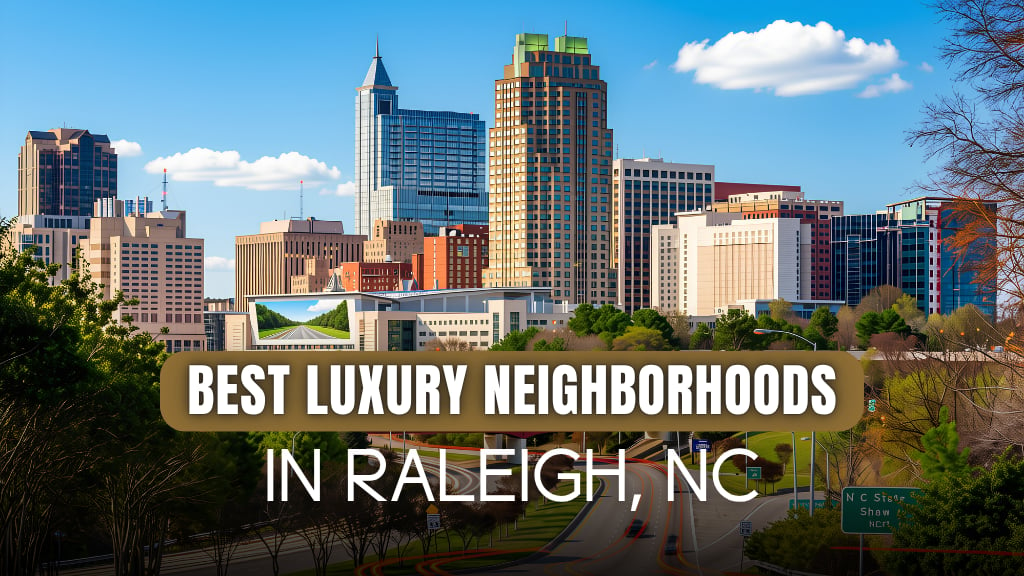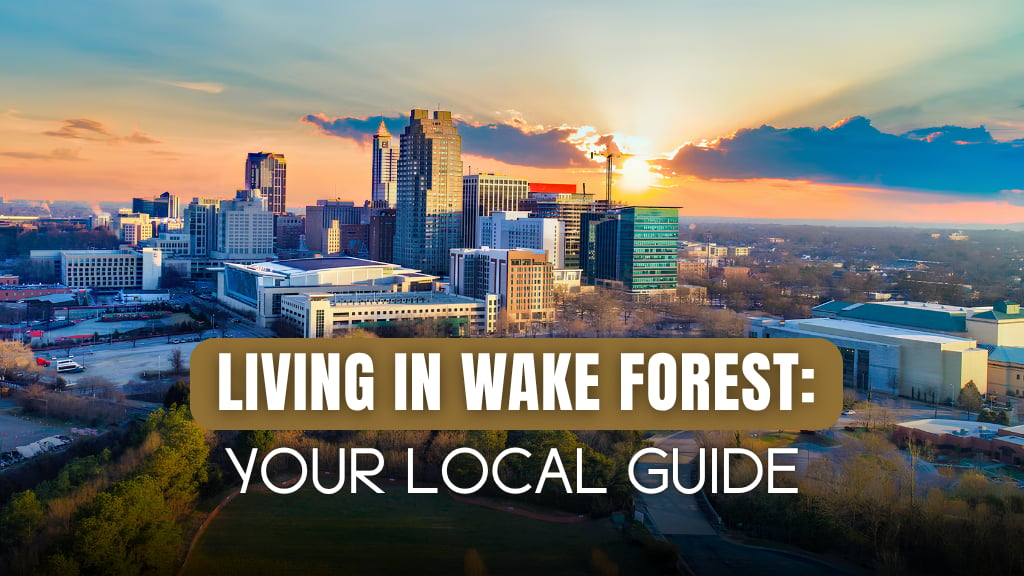
After 20 years in real estate, I've heard all kinds of questions buyers ask about Raleigh: “Hey Sheri, which neighborhoods should I be looking at?” “How bad is the traffic, really?” “Can I still negotiate?” And, of course, “Raleigh, Durham, and Cary are not basically the same place?”
I can tell you those are exactly the questions buyers should be asking. As a local expert, I know that choosing a home here is about much more than finding a pretty kitchen or enough bedrooms. The right location can affect your commute, school options, weekend routine, long-term costs, and whether daily life feels convenient or unnecessarily complicated.
So, let’s skip the generic relocation advice and talk through the questions I hear most often from people buying a home in Raleigh and throughout the Triangle.
Is Raleigh Still a Good Place to Buy a Home?
Many buyers wonder whether Raleigh’s biggest growth period has already passed. The city is certainly no longer the quiet, under-the-radar destination it once was, but people continue moving here for employment opportunities, respected universities, healthcare systems, green spaces, and a quality of life that blends city convenience with a more relaxed pace.
Recent economic reporting shows continued job growth across industries such as healthcare, education, professional services, leisure, and hospitality. That variety matters because Raleigh is not dependent on one employer or one type of job to support its local economy.
The housing market has also become more balanced than it was during the most competitive pandemic years. Buyers generally have more homes to compare, additional time to complete inspections, and a better chance of negotiating. However, a beautifully updated home in a popular neighborhood can still attract attention quickly.
How Much House Can You Get in Raleigh?
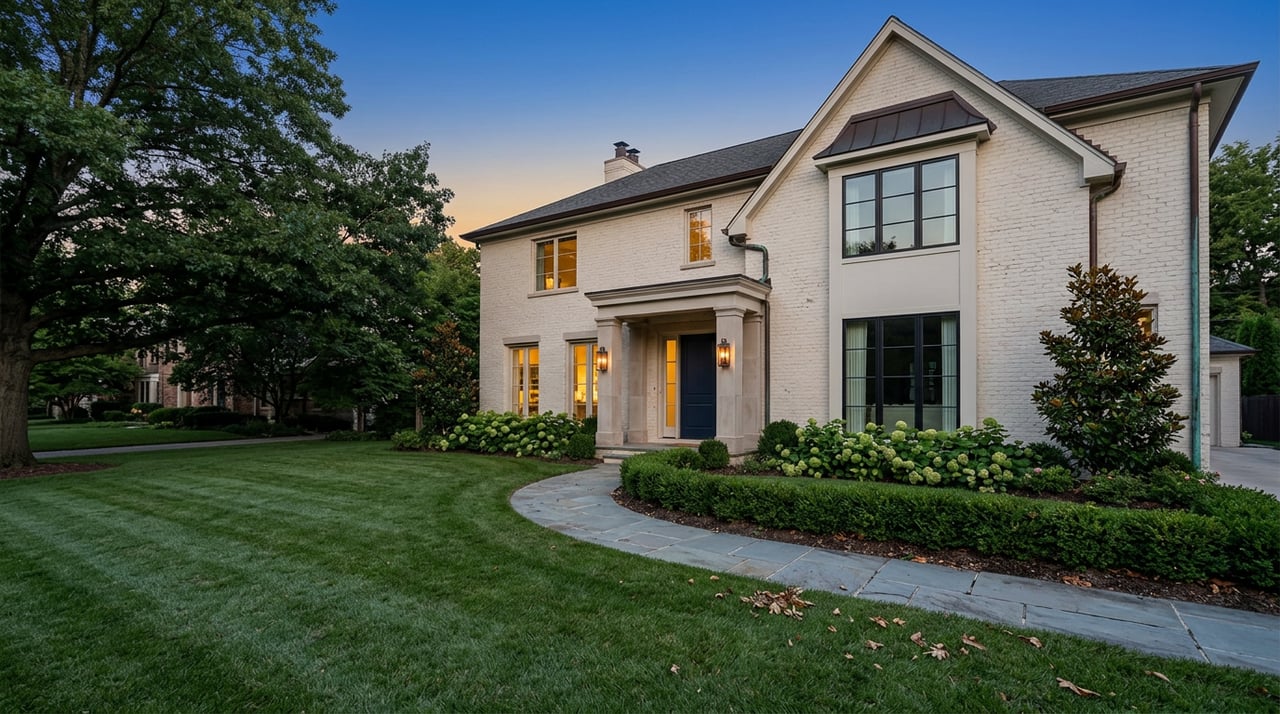
A Raleigh budget can look very different depending on where you search. Established areas near downtown, Five Points, North Hills, the Village District, and North Carolina State University often command higher prices because buyers are paying for location as much as the home itself.
New construction can provide more square footage and modern features, especially near Raleigh’s outer edges or in surrounding communities such as Knightdale, Wendell, Garner, Wake Forest, and Fuquay-Varina.
Which Raleigh Neighborhood Is Right for Me?
There is no universal “best” Raleigh neighborhood. The better question is what you want your normal Tuesday to look like. Do you want to be close to restaurants and events, or would you rather have a larger yard, a neighborhood pool, and a quieter setting?
Inside or Outside the Beltline?
“Inside the Beltline” generally refers to neighborhoods within Interstate 440. These areas include many of Raleigh’s older communities and offer easier access to downtown, NC State, cultural attractions, and medical facilities.
Outside the Beltline, buyers may find newer subdivisions, larger homes, and more recent construction. North Raleigh, Brier Creek, and communities near Interstate 540 can appeal to buyers who want additional space or convenient access to Research Triangle Park and Raleigh-Durham International Airport. Neither choice is automatically better. Some buyers love the personality of an older home near downtown. Others would gladly add time to their drive in exchange for a larger kitchen, extra bedroom, and two-car garage.
Should I Look Outside Raleigh?
Absolutely. Many people who say they are moving to Raleigh ultimately consider Cary, Apex, Holly Springs, Wake Forest, Garner, Knightdale, or Fuquay-Varina.
Each community offers a different mix of commute times, housing styles, amenities, and prices. Keeping the search flexible can reveal options you might otherwise miss. Someone who starts out focused on downtown Raleigh may discover that Cary works better for their commute, while a buyer seeking new construction may fall in love with an established North Raleigh neighborhood.
What Should Buyers Know About Raleigh Schools?
School questions require more research than simply checking an online rating. Wake County has a large public school system with different assignments, calendars, and program options. The Wake County Public School System offers official tools for checking assignments, calendars, magnet programs, and enrollment information. Buyers should verify school information directly with the district before making a purchase based on a particular assignment.
How Bad Is Raleigh Traffic?
Raleigh traffic may not feel like Los Angeles or Washington, D.C., but your commute should still influence where you buy. The region is spread out, and a route that looks easy on a map can become much less charming during rush hour.
Interstate 40 is one of the region’s most important roads and one of its most common sources of congestion. Interstate 440, Interstate 540, Capital Boulevard, Glenwood Avenue, and areas surrounding Research Triangle Park can also slow down during busy periods. Public transportation is available through GoRaleigh and GoTriangle, but most residents still rely on a car. Buyers planning to use transit should research specific routes, operating times, transfers, and the walk between the stop and their destination.
What Is Everyday Life in Raleigh Really Like?
A weekend might include walking through Dorothea Dix Park, attending a Carolina Hurricanes game, exploring downtown, or visiting one of the surrounding Triangle communities. Raleigh also maintains an extensive network of parks, greenways, recreation facilities, and community programs.
Raleigh-Durham International Airport is another major advantage, especially for frequent travelers or residents with family in other states. The airport offers nonstop connections to destinations across the country and a growing number of international routes. The weather has its tradeoffs. Spring and fall are beautiful, while summers can be hot, humid, and full of pollen. Severe storms are also part of living in North Carolina, so buyers should consider drainage, tree coverage, flood information, and insurance costs for each property.
What Costs Catch Buyers by Surprise?
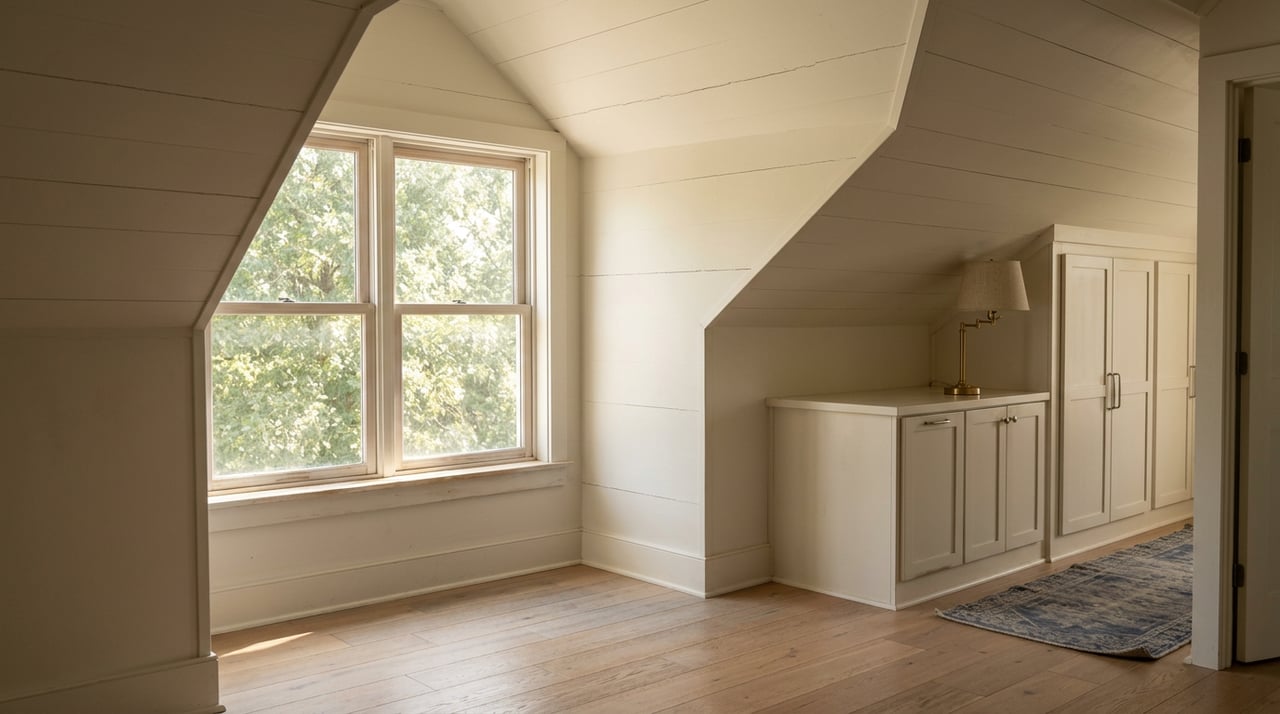
The mortgage payment is only one part of the budget. Property taxes, insurance, HOA dues, utilities, maintenance, and commuting costs all affect what a home truly costs each month. Older Raleigh homes may offer hardwood floors, mature landscaping, and plenty of character, but they can also come with aging roofs, crawlspace concerns, older plumbing, or electrical systems that need attention. New homes reduce some immediate repair worries but may include upgrades, HOA expenses, and landscaping costs.
Buyers should also understand North Carolina’s due diligence fee before writing an offer. This negotiated amount is generally paid directly to the seller in exchange for the buyer’s right to investigate the home during the agreed period. Because that money may be at risk, the amount and timeline should be considered carefully.
The Right Raleigh Home Starts With the Right Questions
Buying in Raleigh is not simply about choosing the biggest home within your budget. It is about finding a location that works for your commute, lifestyle, school preferences, maintenance comfort level, and long-term plans.
The good news is that Raleigh and the surrounding Triangle offer enough variety to fit many different types of buyers. The challenge is knowing where to look and what tradeoffs make sense for you. Thinking about buying a home in Raleigh? Contact The Sheri Hagerty Group to talk through your questions, compare neighborhoods, and create a home search that fits the way you actually want to live.
FAQs
Is Raleigh a buyer’s or seller’s market in 2026?
Raleigh has moved toward a more balanced market, giving buyers more inventory and additional negotiating opportunities. However, well-prepared homes in desirable neighborhoods may still sell quickly.
What is the difference between Raleigh and the Triangle?
Raleigh is one city within the Triangle, a broader region that includes Durham, Chapel Hill, Cary, Research Triangle Park, and several surrounding communities.
Is Raleigh good for first-time homebuyers?
Raleigh can offer good options for first-time buyers, especially those who are flexible about location, property type, or cosmetic updates. Qualified buyers may also find assistance programs through the North Carolina Housing Finance Agency.
Should I buy an older home or new construction?
Older homes may provide established neighborhoods, mature trees, and more central locations. New construction often offers modern layouts, newer systems, and community amenities. The right choice depends on budget, commute, maintenance preferences, and lifestyle.
When should I contact a Raleigh real estate agent?
It is helpful to start before you are ready to tour homes. An early conversation gives you time to understand financing, neighborhoods, school assignments, and the North Carolina offer process.
About The Sheri Hagerty Group
The Sheri Hagerty Group is a top-performing real estate team in Raleigh and the surrounding Triangle with personal guidance, local insight, and a strategy shaped around each client’s goals.
The team was elected to the Luxury Home Marketing Group of the Triangle, an exclusive coalition of only 14 REALTORS®, and received the Top Residential Team Award from the Triangle Business Journal. Sheri has also hosted American Dream TV, highlighting the homes, communities, businesses, and people that shape life throughout the Raleigh area.
Backed by 260 successful home sales and $31.81 million in sales volume in 2025, The Sheri Hagerty Group brings proven experience and hyperlocal knowledge to each home search. The team helps families compare communities honestly, understand local tradeoffs, and find a home that supports both their current needs and future plans.