Moving to North Carolina can look wonderfully simple from the outside. Pick between the mountains, the coast, or one of the growing cities in the middle, find a home with a porch, and start enjoying milder winters and more room to breathe. Then the real questions begin.
Which part of the state actually fits your lifestyle? How different is the homebuying process? What does a due diligence fee mean? Will you need flood insurance even if you are nowhere near the beach? And how quickly will you discover that “close by” can mean something very different depending on traffic?
As a local expert in Raleigh and the Triangle, I can tell you that the smartest move is not simply finding a beautiful property. It is understanding the location, costs, climate, and buying process before you commit.
North Carolina Real Estate Is Not One Single Market
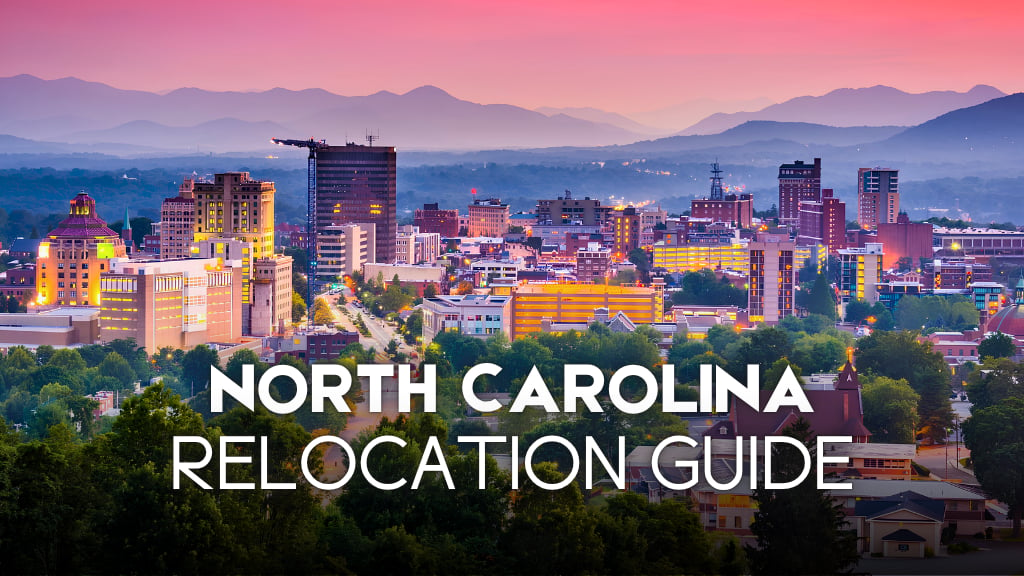
One of the first things buyers need to understand before moving to North Carolina is how much the state changes from region to region. Western North Carolina attracts buyers looking for cooler weather, mountain views, outdoor recreation, and smaller communities. Asheville is the best-known destination, but towns throughout the Blue Ridge Mountains offer their own personalities and price points.
North Carolina’s coast offers beaches, boating, vacation communities, and a much more relaxed pace. However, coastal buyers need to think carefully about wind, flooding, evacuation routes, insurance, salt exposure, and seasonal tourism.
A home near the water may require separate flood or wind coverage depending on the property and insurer. The North Carolina Department of Insurance advises consumers to ask whether windstorm, hail, or flood coverage is excluded from a standard homeowners policy and whether separate protection is appropriate.
Raleigh, Durham, Cary, Chapel Hill, Charlotte, Greensboro, and Winston-Salem attract buyers who want access to employment, universities, healthcare, restaurants, airports, and suburban communities.
The Triangle, in particular, offers everything from downtown condos and established Raleigh neighborhoods to newer communities in Wake Forest, Apex, Holly Springs, Fuquay-Varina, Knightdale, and Wendell. The challenge is that two homes with similar prices can produce very different commute times and daily routines.
Your Housing Budget Needs More Than a Mortgage Calculator
A monthly payment estimate is a useful starting point, but it does not reveal the full cost of owning a home in North Carolina. Property taxes vary by county and municipality. Homeowners association dues can differ dramatically between communities. Insurance costs depend on the location, construction, claims history, roof, coverage, and exposure to weather-related risks. Buyers may also need to consider landscaping, pest control, utilities, commuting, and future maintenance.
Home insurance has become an especially important conversation. North Carolina base homeowners insurance rates were scheduled to rise in stages, including a second average increase in June 2026, although the actual effect varies by territory and individual policy. Coastal areas can face considerably different pricing from inland communities.
Taxes May Look Better, but Check the Details
North Carolina uses a flat individual income tax structure, but tax rules and rates can change over time. Buyers moving from a state with high income or property taxes may find parts of the overall tax picture appealing, while those relocating from a state without individual income tax will have a different comparison.
The North Carolina Department of Revenue provides current information on individual income tax rates, filing requirements, and rules for residents and part-year residents. Property taxes are assessed locally, which means two similarly priced homes in different counties or municipalities may produce different annual tax bills. Buyers should review the actual tax record for the property and ask whether the current assessment could change after the purchase or after new construction is completed.
Tax questions involving residency, retirement income, business ownership, or the sale of a previous home should be reviewed with a qualified tax professional.
North Carolina Weather Is Beautiful Until It Is Not
North Carolina gives residents four recognizable seasons, but each part of the state experiences them differently. The mountains generally have cooler temperatures and a higher chance of winter weather. Central North Carolina, including Raleigh and the Triangle, usually has relatively mild winters but hot, humid summers. The coast experiences ocean influences and greater tropical storm exposure.
Pollen is also a very real part of spring. New residents are sometimes impressed by how quickly a clean car can become yellow again. More importantly, storm and flood risk should be evaluated for every property. Drainage, nearby creeks, grading, retaining walls, large trees, roof age, and previous water intrusion deserve just as much attention as the kitchen countertops.
School Research Requires More Than Online Ratings
Families moving to North Carolina often begin by looking at school ratings, but those numbers rarely tell the entire story.
School systems may offer traditional, year-round, magnet, charter, early-college, and specialty programs. Assignments can depend on the precise address and may change as districts respond to growth. This is especially relevant in fast-growing counties such as Wake County.
Buyers should verify assignments directly with the school district, learn which calendar the school follows, and explore programs that matter to their children. A highly rated school may not automatically be the best fit for every student, and a listing description should never be treated as the final authority on assignment.
You Will Probably Need a Car
North Carolina has walkable neighborhoods and downtown districts, but most communities remain car-dependent. Even buyers living near restaurants or shops may need to drive to work, school, healthcare, or larger grocery stores.
New North Carolina residents also need to take care of driver licensing and vehicle registration. The N.C. Division of Motor Vehicles says new permanent residents who plan to drive must obtain a North Carolina license and title and register their vehicles within 60 days of establishing permanent residency. A North Carolina license must generally be obtained before completing the title and registration process.
A Better Move Begins Before the Boxes Arrive
Moving to North Carolina can be a wonderful decision, but the state rewards buyers who pay attention to the details. The mountains, coast, Triangle, and major cities each offer different lifestyles, and every choice comes with its own tradeoffs.
The right home should fit more than your bedroom count. It should work with your budget, commute, insurance needs, school preferences, maintenance comfort level, and long-term plans.
Planning a move to Raleigh, the Triangle, or another North Carolina community? Contact The Sheri Hagerty Group to compare locations, understand the local buying process, and create a home search based on how you actually want to live.
FAQs
Is North Carolina a good state to move to?
North Carolina can be a strong fit for buyers seeking varied landscapes, growing employment centers, universities, healthcare systems, outdoor recreation, and relatively mild winters. The experience depends greatly on the region and community.
What is the due diligence fee in North Carolina?
The due diligence fee is a negotiated amount commonly paid directly to the seller in exchange for the buyer’s right to investigate the property and terminate during the agreed due diligence period. Buyers should understand when the fee may or may not be refundable before making an offer.
Is flood insurance required in North Carolina?
Flood insurance may be required by a lender for certain properties, but flood risk is not limited to officially designated high-risk zones. Standard homeowners insurance often excludes flood damage, so buyers should discuss coverage with an insurance professional.
Does North Carolina have high property taxes?
Property tax rates vary by county and municipality. Buyers should review the actual tax record and total annual bill for each property rather than relying on a statewide estimate.
How soon must new residents get a North Carolina license?
The N.C. Division of Motor Vehicles says permanent residents who plan to operate a vehicle must obtain a North Carolina driver license and title and register their vehicles within 60 days of establishing residency. “https://www.ncdot.gov/dmv/help/moving/Pages/new-residents.aspx”
What should buyers inspect in a North Carolina home?
Depending on the property, buyers may consider general home, pest, HVAC, roof, crawlspace, moisture, radon, septic, well, sewer, survey, and specialized structural inspections.
About The Sheri Hagerty Group
The Sheri Hagerty Group is a top-performing real estate team in Raleigh and the surrounding Triangle with personal guidance, local insight, and a strategy shaped around each client’s goals.
The team was elected to the Luxury Home Marketing Group of the Triangle, an exclusive coalition of only 14 REALTORS®, and received the Top Residential Team Award from the Triangle Business Journal. Sheri has also hosted American Dream TV, highlighting the homes, communities, businesses, and people that shape life throughout the Raleigh area.
Backed by 260 successful home sales and $31.81 million in sales volume in 2025, The Sheri Hagerty Group brings proven experience and hyperlocal knowledge to each home search. The team helps families compare communities honestly, understand local tradeoffs, and find a home that supports both their current needs and future plans.