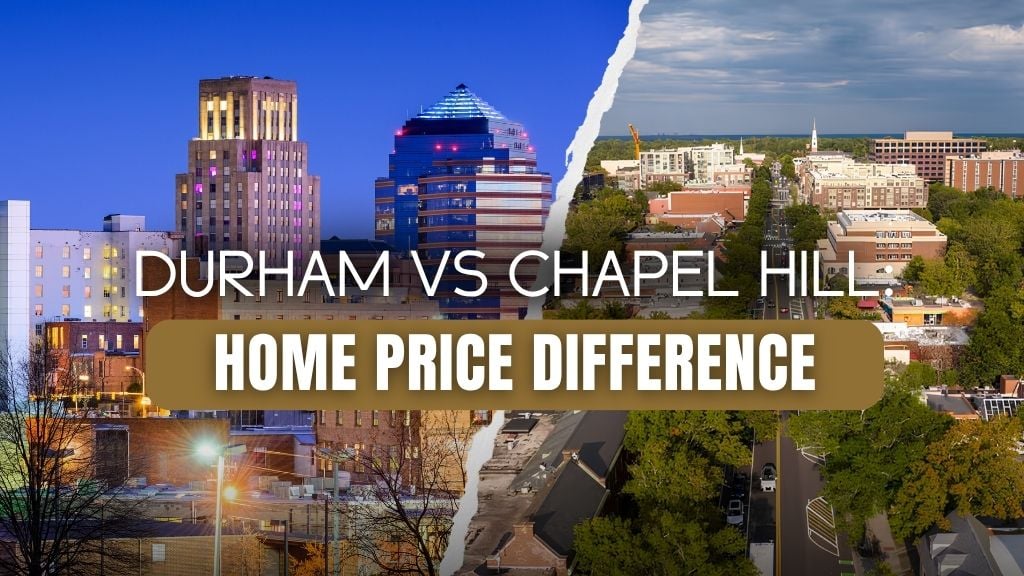
Durham has its own personality. A minor league ballpark sits beside the restored American Tobacco Campus, DPAC brings Broadway tours and major concerts downtown, and Duke's gardens and the Eno River trails put green space within easy reach. It's a city that lets you shape the lifestyle you want.
That variety is exactly why it helps to take a closer look. We guide buyers through Triangle communities every day, so here are the pros and cons of living in Durham, NC, from daily life and commuting to costs, neighborhoods, and what the housing market looks like right now.
A Walk Through the Bull City: What Daily Life Looks Like
Saturday mornings in Durham start at Durham Central Park, where the Durham Farmers' Market fills the pavilion with local produce, flowers, and baked goods. The market runs year-round on Saturday mornings and on Wednesday evenings from April through November, and it has become a weekly ritual for many residents.
From there, it's a short trip to Brightleaf Square, where old tobacco warehouses now hold restaurants and shops, or to the Ninth Street District in Old West Durham for breakfast, lunch, and browsing. Evenings bring Bulls games at the ballpark, shows at DPAC, and dinner on the American Tobacco Campus.
Durham's food scene has been turning heads for years, and Bon Appetit once named Durham America's Foodiest Small Town, a reputation the city keeps earning.
The Pros of Living in Durham
Food, Culture, and a Downtown With Real Energy
The American Tobacco Campus turns historic tobacco buildings into restaurants, offices, and event space, with the Durham Bulls Athletic Park and DPAC right nearby. The Carolina Theatre, the Durham Arts Council, and the Nasher Museum of Art at Duke add even more to the calendar. Durham's history runs deep, too, including Black Wall Street, one of America's most successful Black business districts.
Nature Close to the City
Eno River State Park offers about 30 miles of hiking trails along the river, just minutes from Durham and Chapel Hill, and West Point on the Eno River adds even more riverside trails and festivals. Sarah P. Duke Gardens, a 55-acre public garden on Duke's campus, is free to explore; Duke Forest offers more trails, and the Museum of Life and Science offers a full day outdoors for families.
Jobs, Universities, and Healthcare
Duke University, Duke Health, and Research Triangle Park anchor the local economy, with technology, biotechnology, and research employers close by. UNC Chapel Hill and NC State are within convenient reach too, which makes Durham a natural home base for anyone building a career in the Triangle.
Getting Around the Triangle
GoDurham runs the city bus system, and GoTriangle routes link downtown Durham with the Regional Transit Center, Chapel Hill, and RDU Airport. RDU sits in the center of the region, so flights are easy to reach, and Raleigh, Chapel Hill, and Cary are all within an easy drive.
A Wide Range of Homes
Durham's housing stock spans historic bungalows and Craftsman homes, downtown condos and lofts, and newer planned communities, so you can often find a home that matches your style and your budget.
The Cons of Living in Durham (and How to Plan for Them)
Durham's trade-offs are easy to manage once you know about them.
Neighborhoods Vary Block by Block
Durham spans historic districts, downtown condos, and suburban communities, and two streets a few minutes apart can feel completely different. Tour at different times of day and walk the area to see whether the neighborhood fits how you live.
You'll Likely Want a Car
Much of Durham is car-dependent, though areas like Trinity Park, Old West Durham, and downtown are more walkable. Check your daily routes before you choose a home, so the commute and errands work for you.
Schools Take Some Homework
Durham Public Schools offers magnet programs, STEM-focused learning, and career and technical pathways, and families can also explore charter and private options. We recommend confirming assigned schools for any address you're considering and exploring the choices that fit your family.
Event Nights Bring Crowds
Bulls games and DPAC shows draw crowds downtown, which adds to the fun and is worth factoring in if you're choosing a nearby home.
What It Costs to Live in Durham
Housing is the biggest line in most budgets, and Durham offers a wider range of price points than its neighbors. Overall, Durham's cost of living runs a little below the national average, giving many buyers more room in their budget for dining out, concerts, and weekends on the trails.
Durham's Housing Market Right Now
Here's where things stand at the moment. Durham's median sale price is around $420,000, down about 5% from a year ago, and homes are taking roughly 43 days to sell. Buyers are paying about 2% under list price on average, and homes are drawing a couple of offers. Hot homes sell near list price in around two weeks.
For buyers, that means more room to negotiate on homes that have been sitting, while well-priced homes still move quickly. Browsing Durham homes for sale alongside recent sales shows you what your budget buys in each part of town.
For sellers, pricing and presentation matter, and a home valuation is a good first step. Compared with Chapel Hill's median sale price, which sits well above $600,000, Durham gives you a wider range of options.
Neighborhoods to Tour in Durham
Durham's neighborhoods offer something for nearly every lifestyle. These five come up most often:
Hope Valley: one of Durham's most established neighborhoods, with mature trees, larger lots, classic architecture, and golf course properties.
Trinity Park: historic homes and Craftsman architecture near Duke and downtown, with tree-lined, walkable streets.
Old West Durham: bungalow-style homes, local shops, restaurants, and a strong neighborhood identity near the Ninth Street District.
Downtown Durham: modern condos, lofts, and renovated historic properties close to dining and entertainment.
South Durham and Southpoint: newer communities and planned neighborhoods with shopping and dining near The Streets at Southpoint.
Who Durham Fits Best
Durham suits people who want a city with energy: a lively downtown, a strong food and arts scene, major employers and universities, and plenty of trails.
It also works well for buyers who want a range, from a walkable historic neighborhood to a quiet suburban street. For a college-town feel and a different price point, compare Durham with Chapel Hill and the rest of the Triangle to decide.
Tips for Relocating Buyers
Relocating from out of the area? A few steps make the decision easier:
Visit twice. See Durham on a quiet weekday and again on a Saturday morning, when the farmers' market and downtown are in full swing.
Drive your routes. Try your commute and your weekly errands at the hours you'll actually travel them.
Walk each neighborhood. Streets can feel different within a few minutes of each other, so explore on foot.
Confirm schools by address. Attendance boundaries follow addresses, so check each home you're considering.
Line up financing early. Pre-approval helps you move quickly when the right home appears.
We're also happy to walk you through neighborhoods by video before you arrive, so your visit goes to the homes that matter most.
Find Your Corner of the Bull City
Durham rewards people who want energy and options: a lively downtown, nearby nature, major employers and universities, and neighborhoods for just about every lifestyle. The trade-offs, like needing a car and doing some homework on schools and neighborhoods, are easy to handle with a plan.
That's where we come in. We help buyers compare Durham with Chapel Hill, Cary, Raleigh, and the rest of the Triangle, match neighborhoods to real daily routines, and move quickly when the right home appears. Reach out to us and let's talk about what you want your life in Durham to look like.
FAQs About Living in Durham, NC
Is Durham affordable compared with Chapel Hill?
Durham's median sale price is well below Chapel Hill's, so it offers more price points. Prices still vary a lot by neighborhood, and we can show you where your budget goes furthest.
Is Durham a good place to relocate?
It's a popular one. Recent search activity shows buyers most often moving to Durham from New York, Washington, DC, and Los Angeles, followed by Boston and Charlotte.
Do I need a car in Durham?
Most of the city is car-dependent, though downtown, Trinity Park, and Old West Durham are more walkable. We can help you find areas that match how much you want to drive.
What are the best neighborhoods in Durham?
Hope Valley, Trinity Park, Old West Durham, Downtown Durham, and South Durham are popular starting points. Each one has a different feel, and we help you compare them against your priorities.
About The Sheri Hagerty Group
The Sheri Hagerty Group is a top-performing real estate team serving Raleigh and the surrounding Triangle with personal guidance, local insight, and a strategy shaped around each client's goals. The team was elected to the Luxury Home Marketing Group of the Triangle, an exclusive coalition of only 14 REALTORS®, and received the Triangle Business Journal's Top Residential Team Award.
Sheri has also hosted American Dream TV, highlighting the homes, communities, businesses, and people that shape life throughout the Raleigh area. Backed by 260 successful home sales and $31.81 million in sales volume in 2025, The Sheri Hagerty Group brings proven experience and hyperlocal knowledge to every home search, especially for relocating buyers who need a trusted local perspective before they arrive.