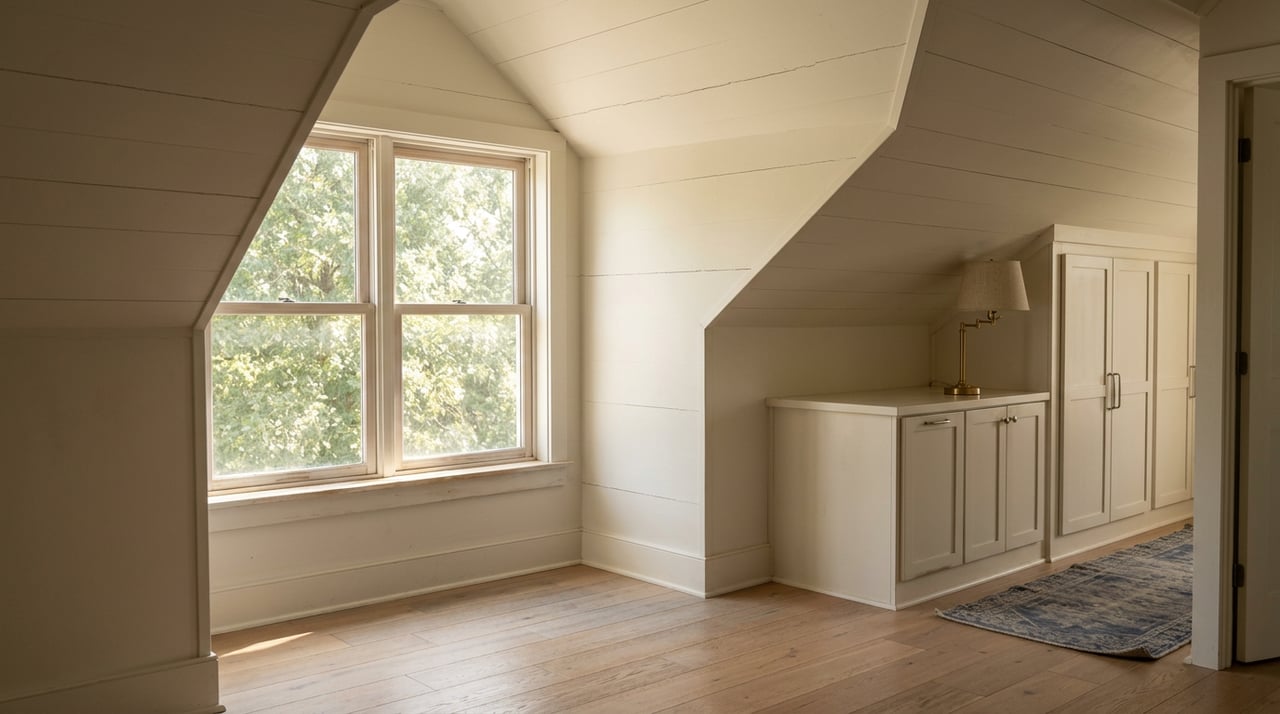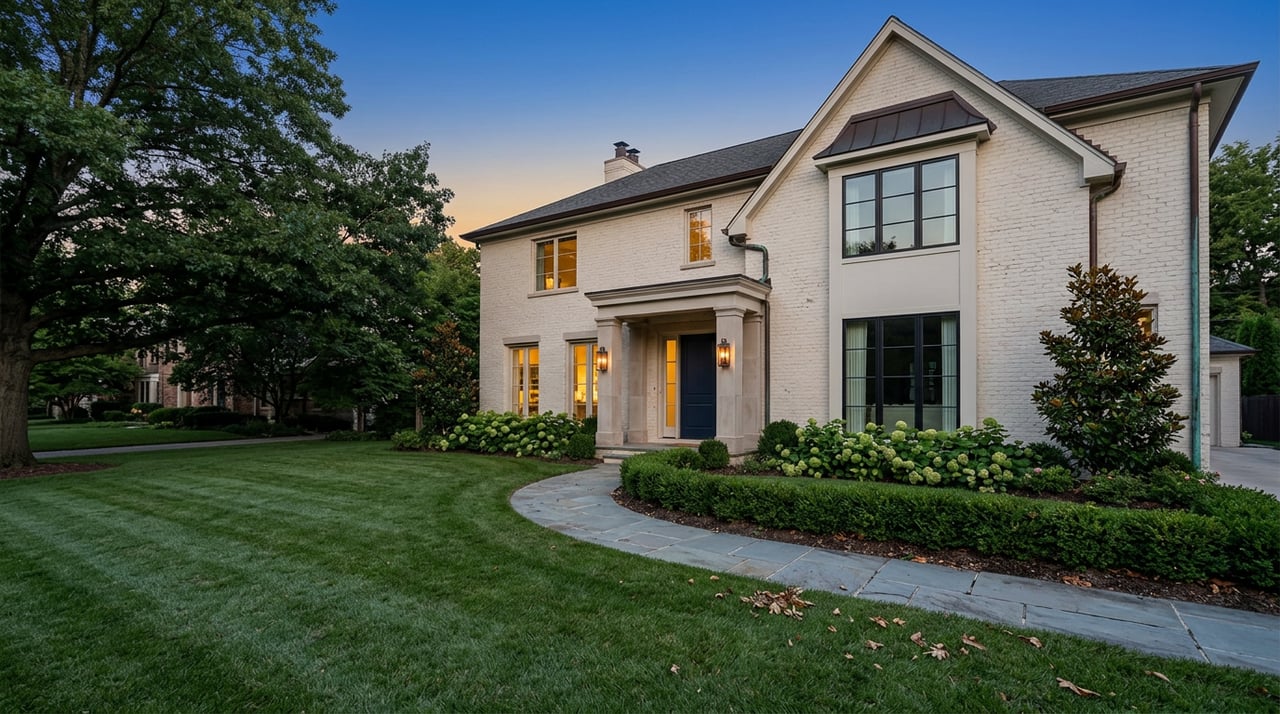
Retirement has a funny way of changing what “the perfect home” means. Suddenly, the oversized yard may feel less exciting, stairs become part of the conversation, and being close to healthcare, restaurants, parks, and family starts to matter a whole lot more.
That is one reason Raleigh continues to attract retirees from across North Carolina and beyond. The city offers respected healthcare systems, mild winters, greenways, cultural attractions, and access to the wider Triangle, all without the overwhelming pace of a much larger metropolitan area.
So, is Raleigh a good place to retire? For many people, the answer is yes, but let’s look at the full picture before you start packing.
The Raleigh Retirement Appeal Goes Beyond Warm Weather
Raleigh does not feel like a traditional retirement town built around golf courses and early-bird dinners. It is an active, growing state capital where retirees live alongside university students, young professionals, families, researchers, entrepreneurs, and longtime North Carolinians. That mix is part of the appeal. You can slow down without feeling disconnected from everything happening around you. There are quiet residential communities, low-maintenance townhomes, luxury properties, downtown condos, and neighborhoods near parks, shopping, healthcare, and restaurants.
Raleigh also provides a useful middle ground for retirees who want city amenities without moving to a much larger metropolitan area. You can attend concerts, visit museums, watch professional hockey, explore local restaurants, or spend the morning on a greenway, all without needing to build your entire routine around downtown.
Can Retirees Afford to Live in Raleigh?
Affordability depends heavily on where you are moving from and what type of home you want. Someone selling a property in a higher-cost market may find Raleigh relatively manageable, while a retiree moving from a smaller North Carolina town may experience more sticker shock.
Established areas near Five Points, North Hills, the Village District, and downtown can be more expensive because buyers are paying for convenience, mature landscaping, and limited inventory. Retirees looking for more space or newer construction may find additional options in North Raleigh or surrounding communities such as Wake Forest, Garner, Knightdale, Fuquay-Varina, Cary, and Apex. However, lower purchase prices farther from central Raleigh may come with longer drives to doctors, restaurants, friends, or activities.
Healthcare Is One of Raleigh’s Strongest Retirement Advantages
Healthcare access is often near the top of a retiree’s list, and Raleigh benefits from being part of the larger Research Triangle healthcare network.
WakeMed operates hospitals and medical facilities throughout Wake County, including its Raleigh Campus, North Hospital, Cary Hospital, emergency departments, rehabilitation services, and outpatient locations. UNC Health Rex also serves Raleigh and the surrounding area, while Duke Health and UNC Medical Center are within the broader Triangle region.
That concentration of healthcare providers can give retirees access to primary care, specialists, emergency services, rehabilitation, and university-affiliated medical systems. Still, proximity varies greatly by neighborhood. A home may technically be in Raleigh while requiring a much longer drive to the medical provider you use most often.
What Can Retirees Actually Do in Raleigh?
Retirement in Raleigh can be as active or relaxed as you want it to be. The city offers greenways, parks, recreation programs, museums, performing arts, college sports, professional hockey, community events, and a growing dining scene.
Greenways Make It Easier to Stay Active
Raleigh maintains an extensive system of parks, trails, community centers, and greenways. The Capital Area Greenway System connects many parts of the city and provides space for walking, cycling, and enjoying the outdoors without leaving the metropolitan area.
Dorothea Dix Park, Lake Johnson Park, Shelley Lake Park, and sections of the Neuse River Greenway are among the places residents use for recreation and relaxation. The city also offers programs and facilities designed for older adults, including classes, fitness activities, social events, and educational opportunities.
Culture Does Not Disappear After Downtown
Raleigh is home to the North Carolina Museum of Art, the North Carolina Museum of Natural Sciences, the North Carolina Museum of History, performing arts venues, festivals, and the North Carolina Symphony. Many of these institutions offer programs, lectures, exhibits, and events that can become part of a regular retirement routine rather than an occasional tourist outing.
The wider Triangle expands those options even further. Durham, Chapel Hill, Cary, and surrounding communities add theaters, universities, gardens, restaurants, sports, and educational programs within a reasonable drive.
Do You Need a Car to Retire in Raleigh?
For most retirees, the practical answer is yes. Raleigh has public transportation through GoRaleigh, and GoTriangle provides regional connections, but the area remains largely car-dependent.
Living near downtown, North Hills, the Village District, or a mixed-use development can make restaurants, shops, and services easier to reach. Even in those areas, however, everyday errands and medical appointments may still require driving.
Retirees who hope to drive less should pay close attention to sidewalk access, grocery stores, pharmacies, healthcare, restaurants, and community amenities. A neighborhood described as “close to everything” may still place those destinations on the other side of a major road.
Traffic should also be part of the decision. Interstate 40, Interstate 440, Interstate 540, Capital Boulevard, and Glenwood Avenue can become congested during busy periods. The right location can dramatically reduce how often retirement begins to feel like an extended commute.
Raleigh Could Be the Right Next Chapter
So, is Raleigh a good place to retire? For retirees who value quality healthcare, mild winters, cultural activities, green spaces, and access to a growing metropolitan region, the answer can absolutely be yes.
The best experience comes from choosing carefully. Housing costs, traffic, summer weather, maintenance, and car dependence should be part of the conversation before you fall in love with a home. Retirement should make life feel more enjoyable, not replace your work schedule with a long list of property chores.
Thinking about retiring in Raleigh or exploring another Triangle community? Contact The Sheri Hagerty Group to compare neighborhoods, discuss low-maintenance and luxury housing options, and find a home that supports the retirement lifestyle you have been working toward.
FAQs
Is Raleigh affordable for retirees?
Raleigh may be more affordable than many large East Coast metropolitan areas, but costs depend on the neighborhood, housing type, taxes, insurance, and lifestyle. Retirees should compare total monthly expenses rather than focusing only on the home price.
Does North Carolina tax Social Security?
North Carolina does not tax Social Security retirement benefits. Other types of retirement income may be taxable, so retirees should consult a qualified financial or tax professional about their situation.
Is Raleigh good for active retirees?
Yes. Raleigh offers parks, greenways, recreation centers, museums, cultural events, sports, classes, and easy access to activities across the Triangle.
Does Raleigh have good healthcare?
Raleigh and the Triangle are served by WakeMed, UNC Health Rex, Duke Health, and other medical providers. Access to specific facilities and specialists varies by neighborhood.
Can retirees live in Raleigh without a car?
It is possible in selected mixed-use and central locations, but most Raleigh residents still depend on a car for errands, medical appointments, and regional travel.
Where should retirees live near Raleigh?
Popular options may include North Raleigh, Cary, Wake Forest, Apex, Fuquay-Varina, Garner, and several active-adult or low-maintenance communities. The right area depends on budget, healthcare needs, family location, commute preferences, and desired amenities.
About The Sheri Hagerty Group
The Sheri Hagerty Group is a top-performing real estate team in Raleigh and the surrounding Triangle with personal guidance, local insight, and a strategy shaped around each client’s goals.
The team was elected to the Luxury Home Marketing Group of the Triangle, an exclusive coalition of only 14 REALTORS®, and received the Top Residential Team Award from the Triangle Business Journal. Sheri has also hosted American Dream TV, highlighting the homes, communities, businesses, and people that shape life throughout the Raleigh area.
Backed by 260 successful home sales and $31.81 million in sales volume in 2025, The Sheri Hagerty Group brings proven experience and hyperlocal knowledge to each home search. The team helps families compare communities honestly, understand local tradeoffs, and find a home that supports both their current needs and future plans.